Red Garden Wall (aug 30)

We climbed Red Garden Wall, in Eldorado canyon as a sort of victory lap after we returned from Lumpy Ridge / Estes Park.

1A_IMG_2510

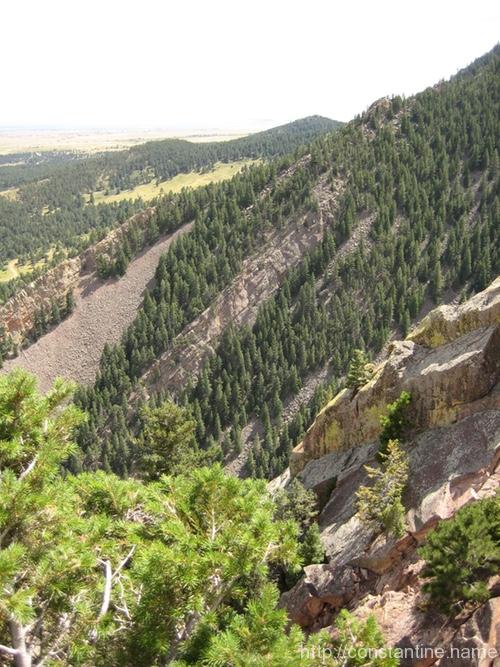
The deep notch, in the closest ridge, is the entrance to Eldorado Canyon. Just inside the entrance to the canyon is the tiny town of Eldorado Springs, and a short drive further takes you into the state park.

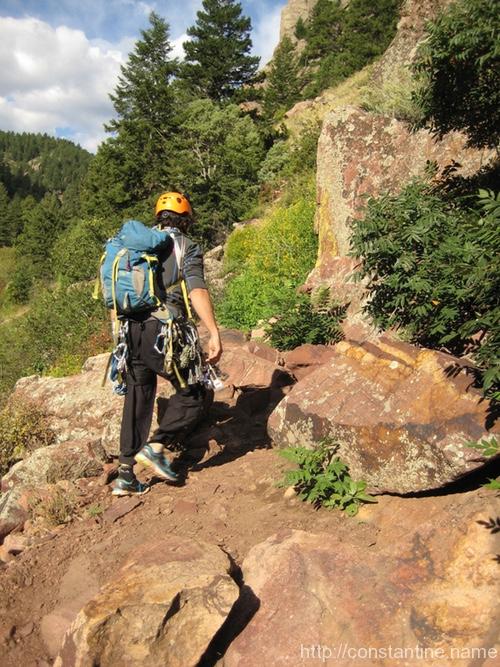
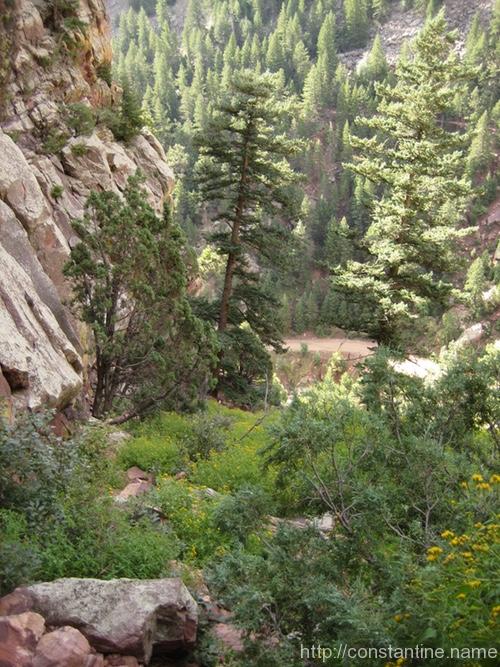
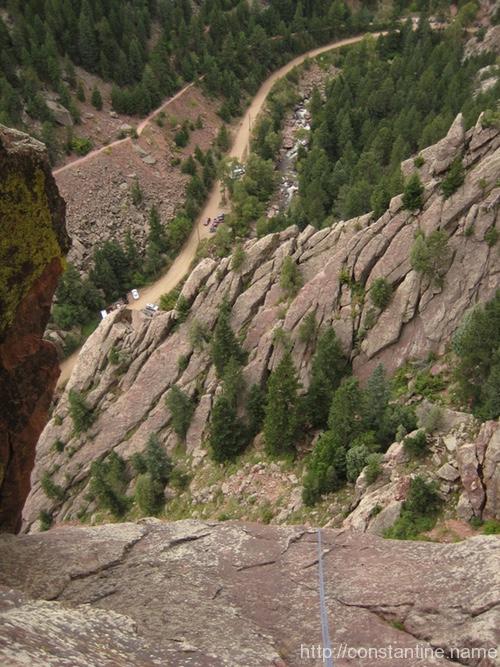
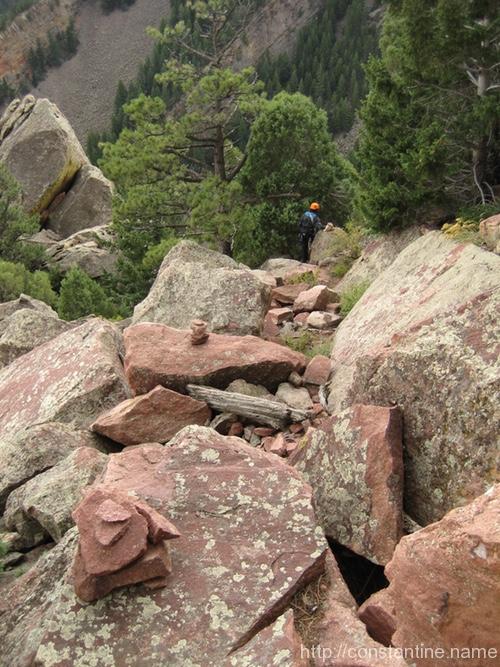
The approach is a hike up into one of the side ravInes…
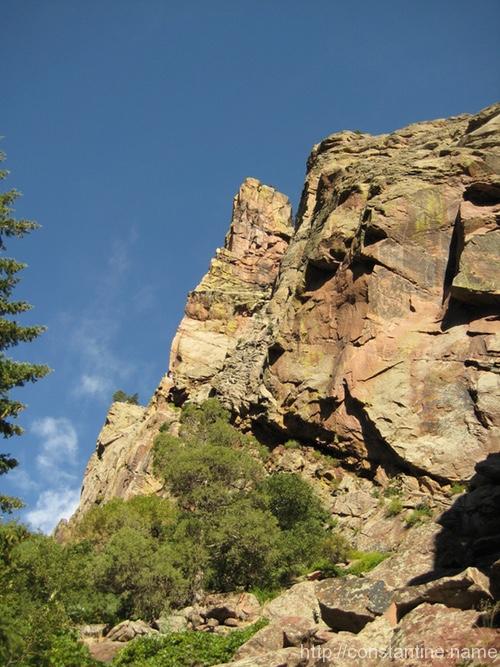
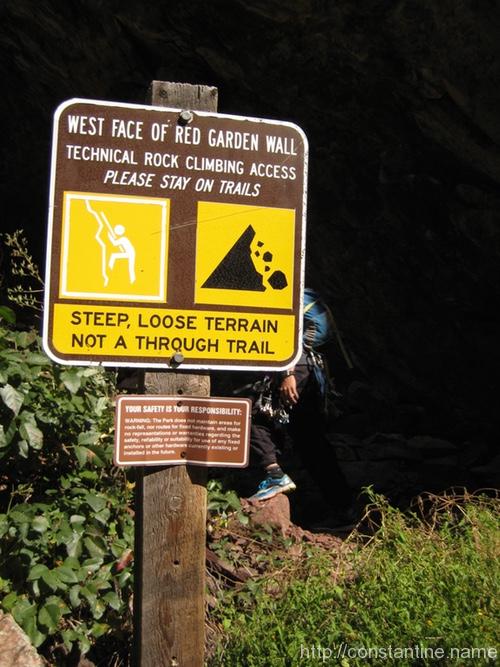
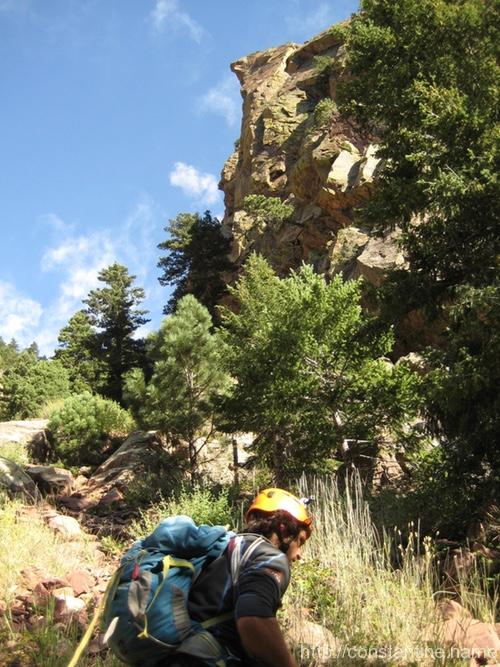
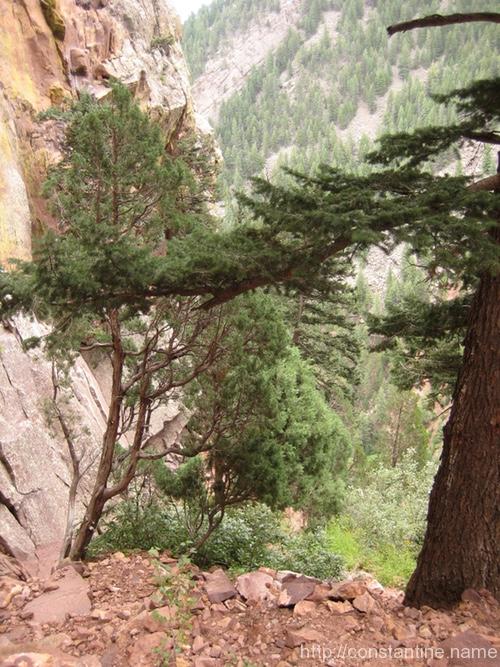
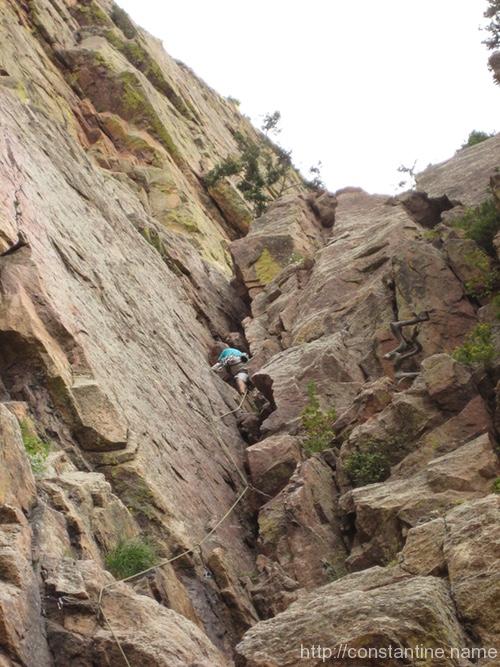
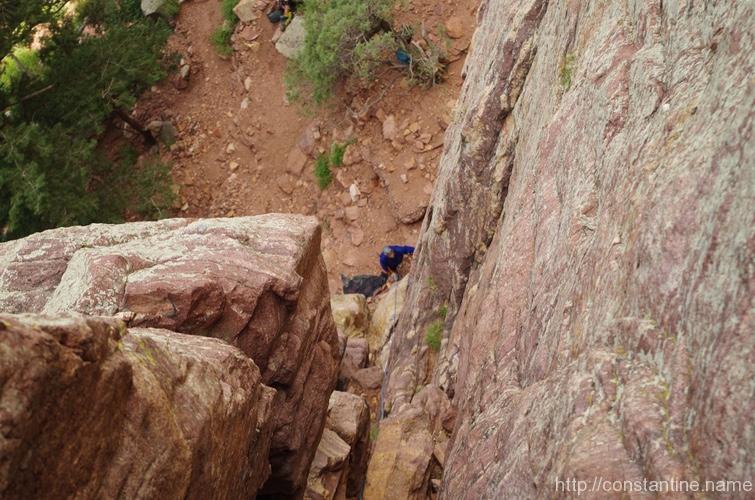
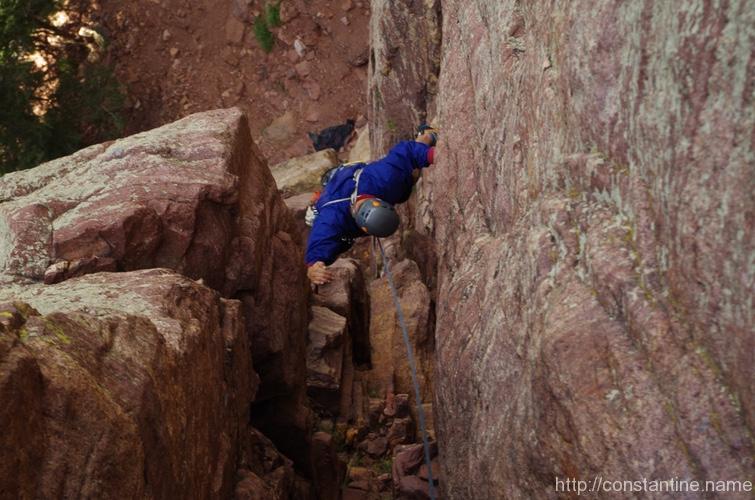
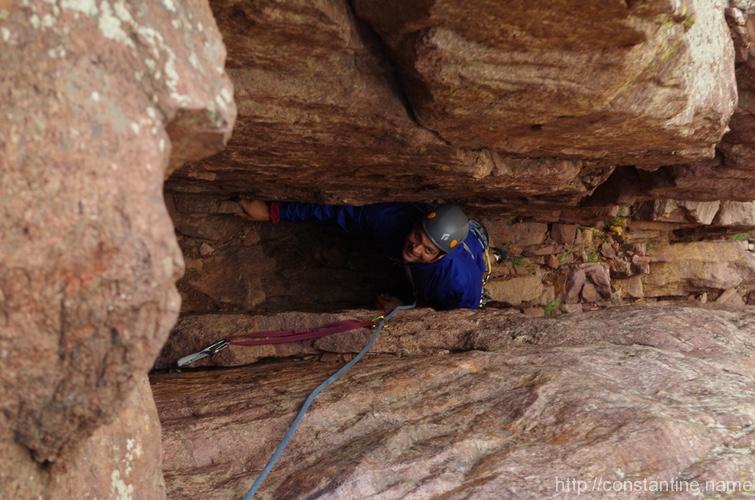
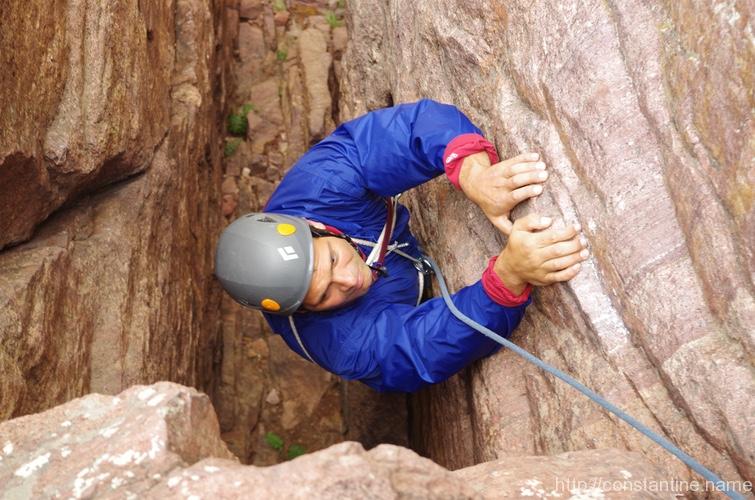
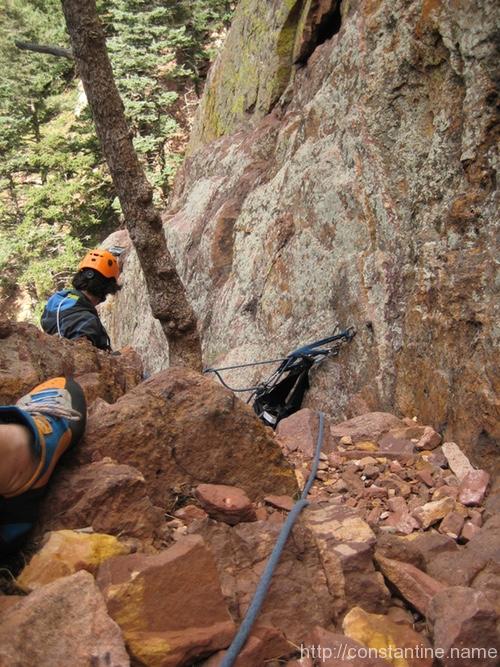
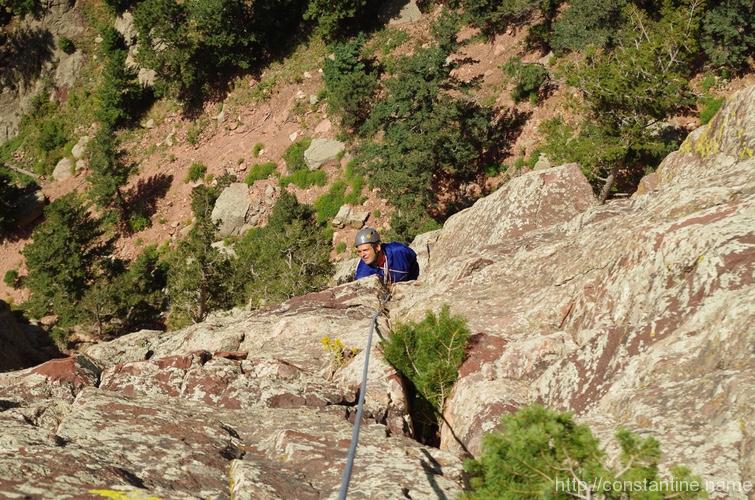
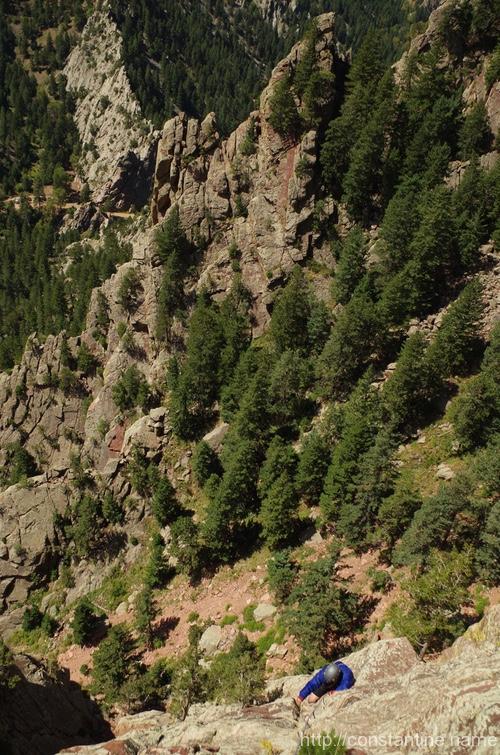
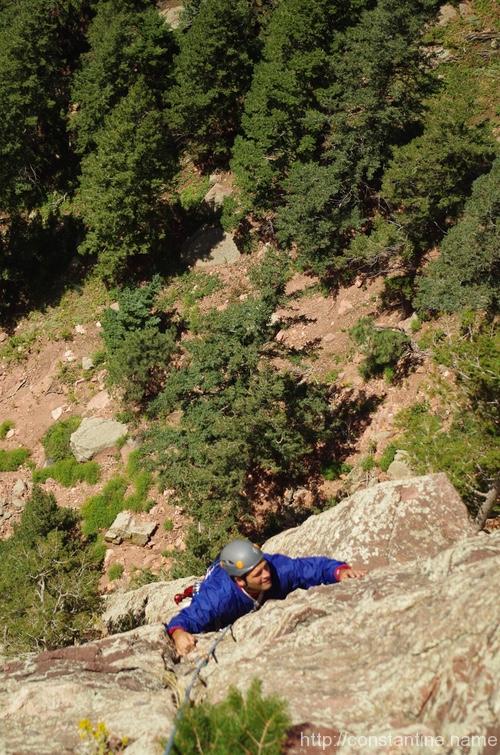
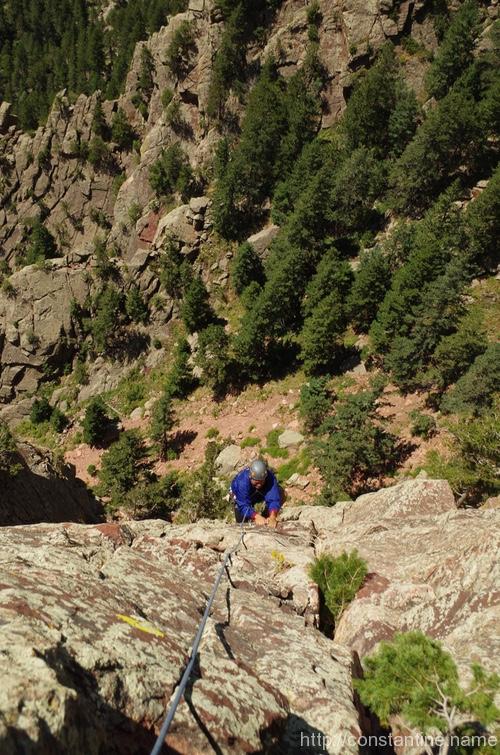
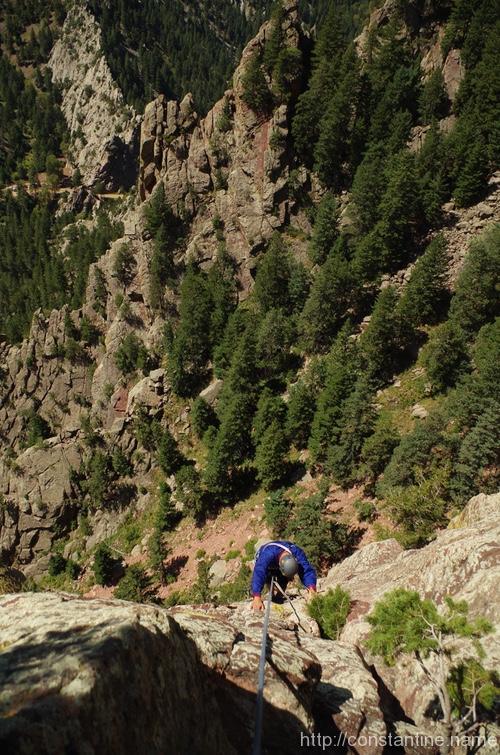
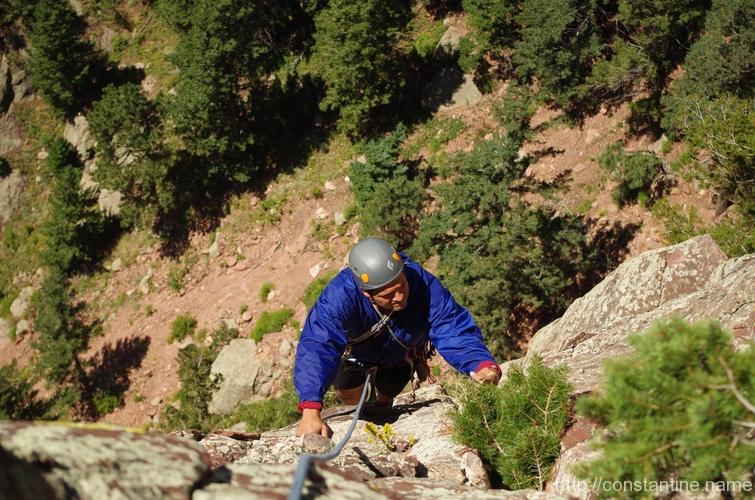
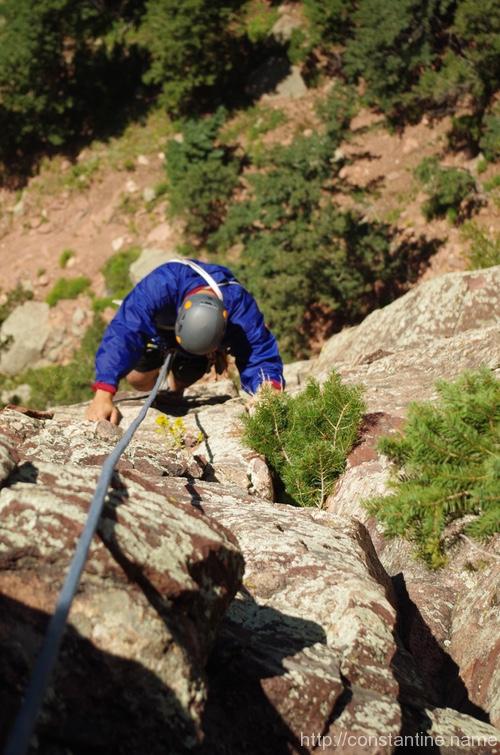
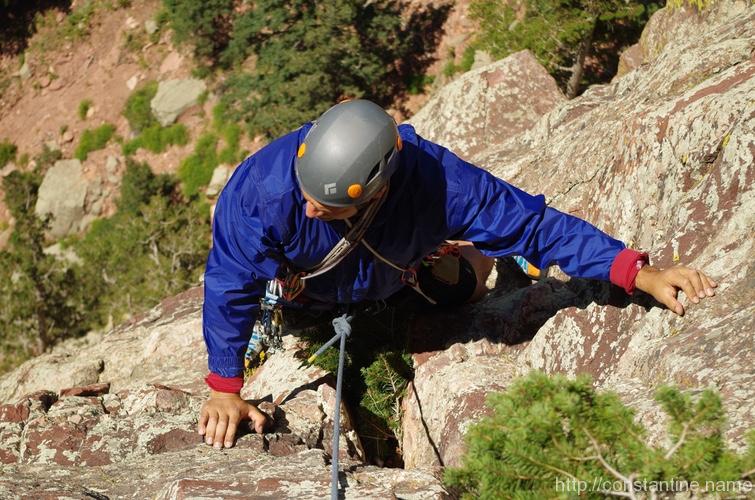
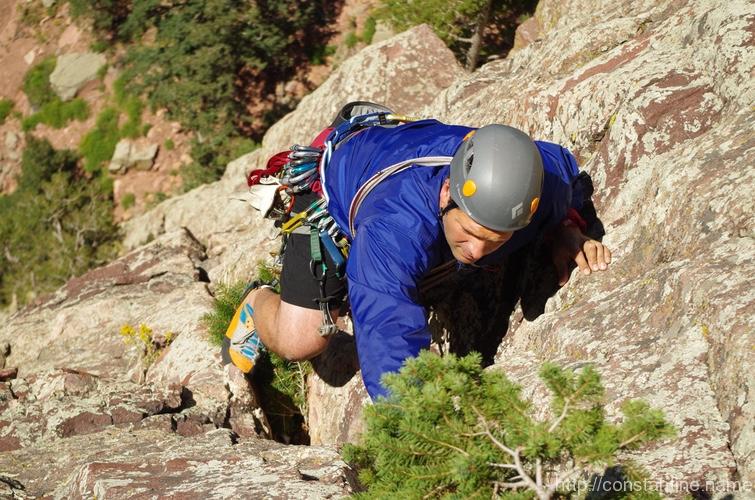
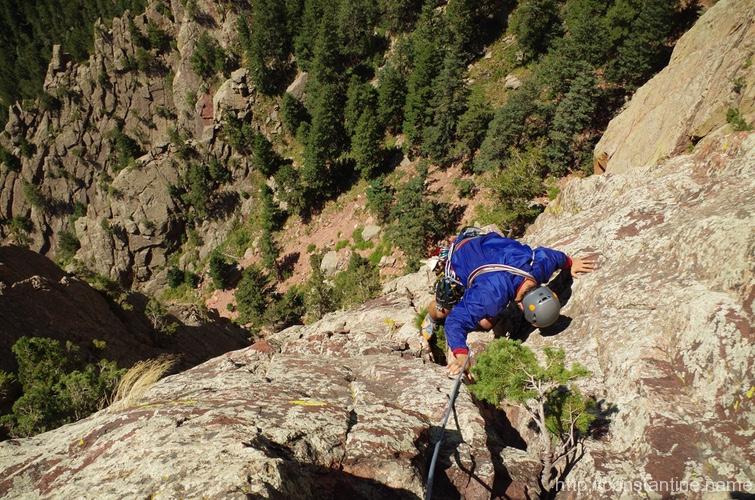
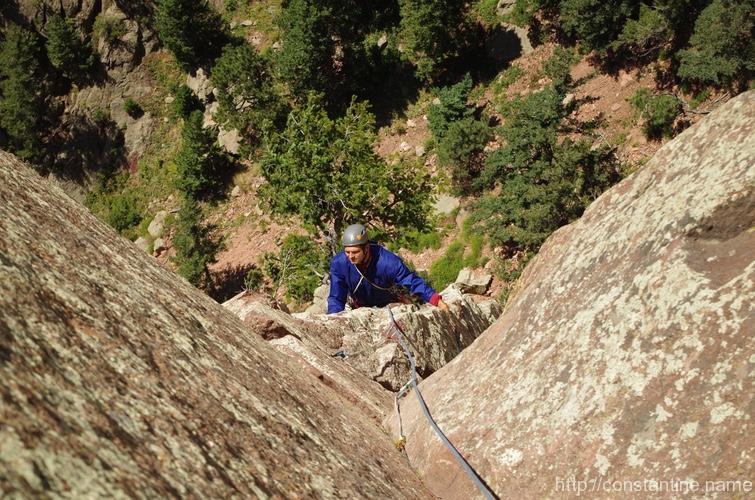
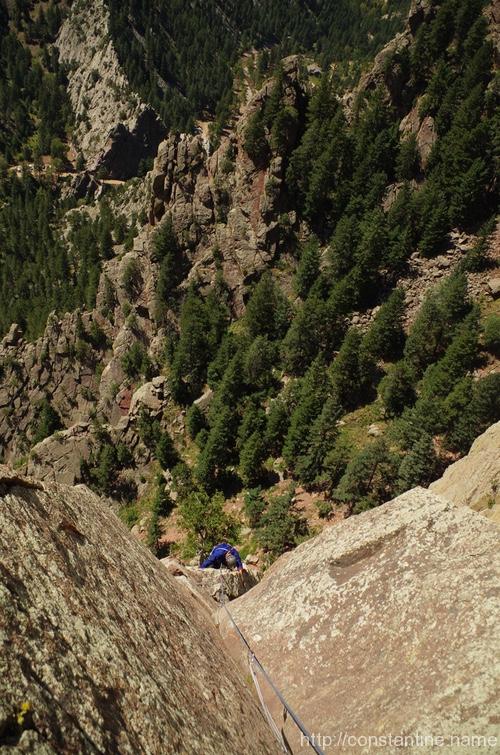
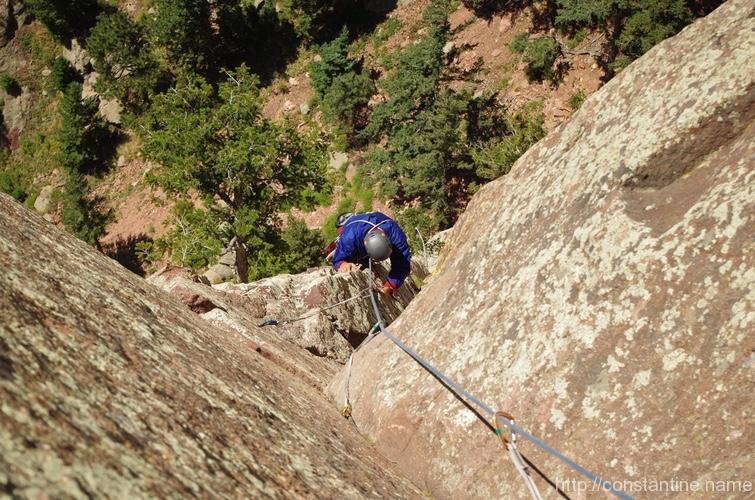
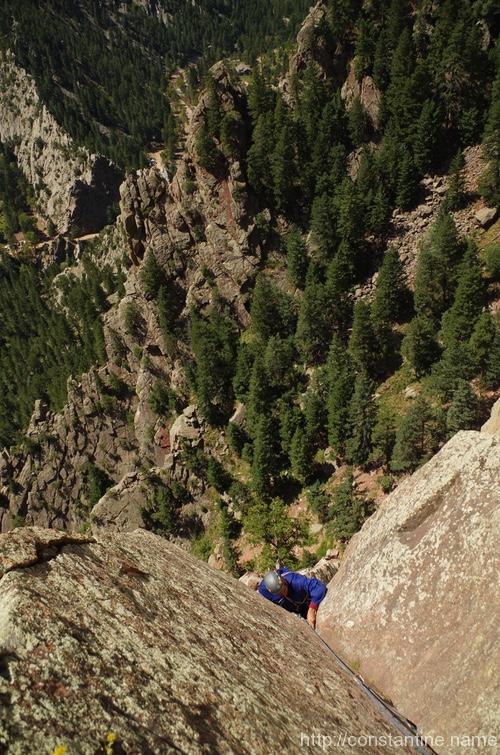
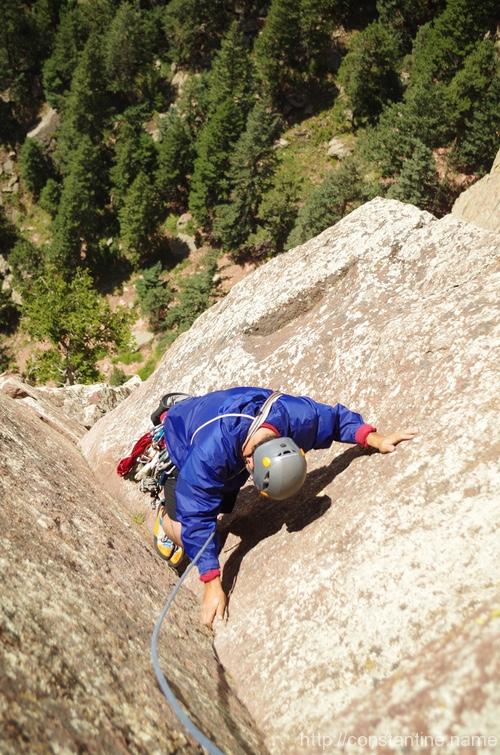
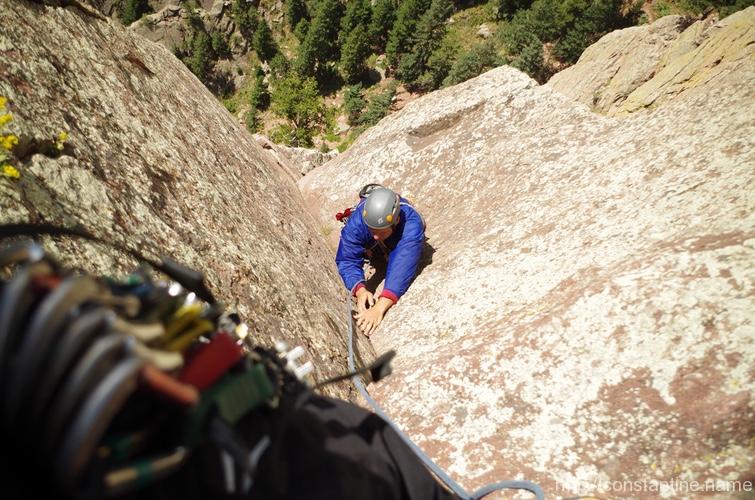
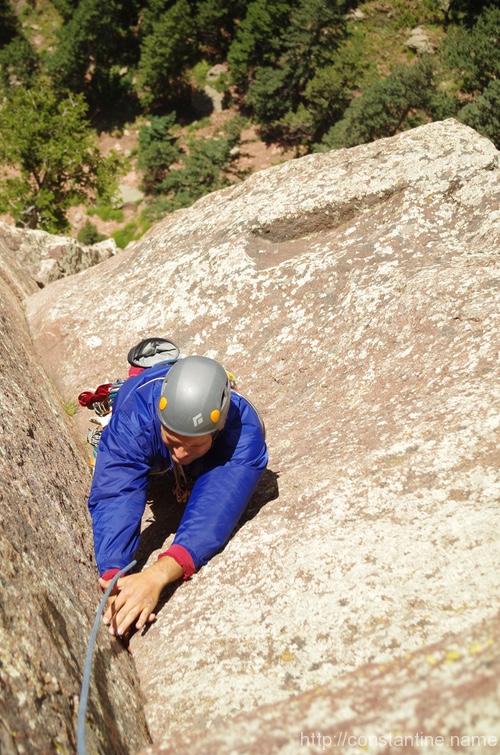
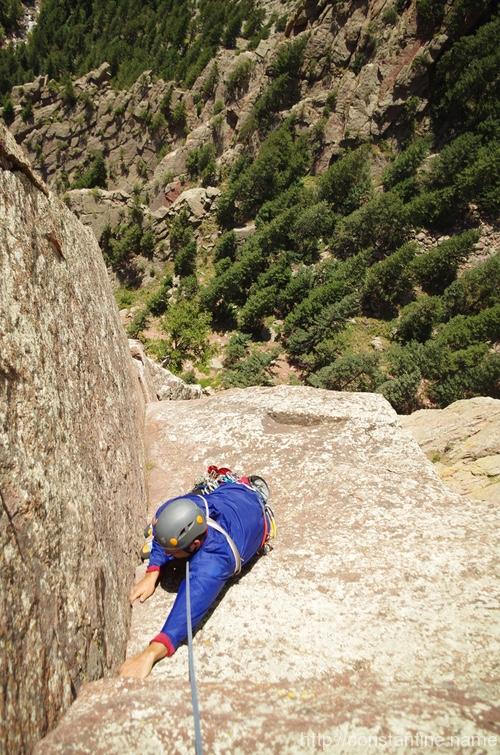
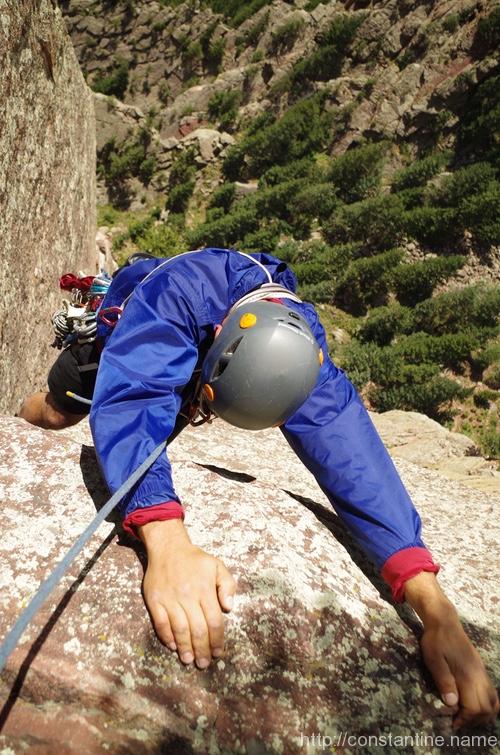
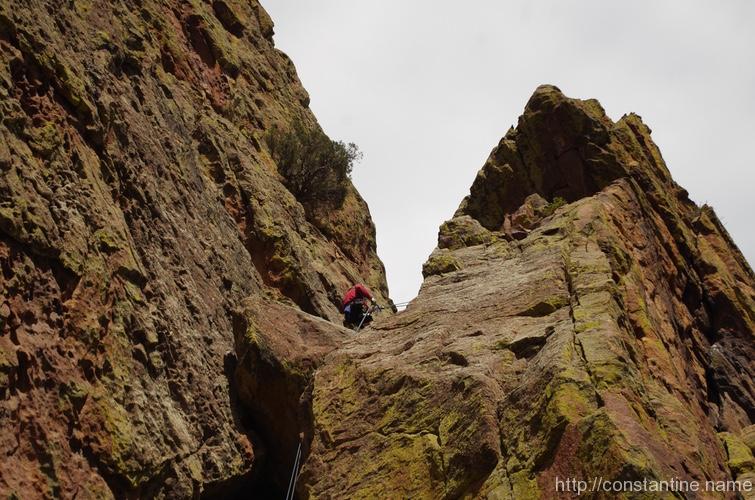
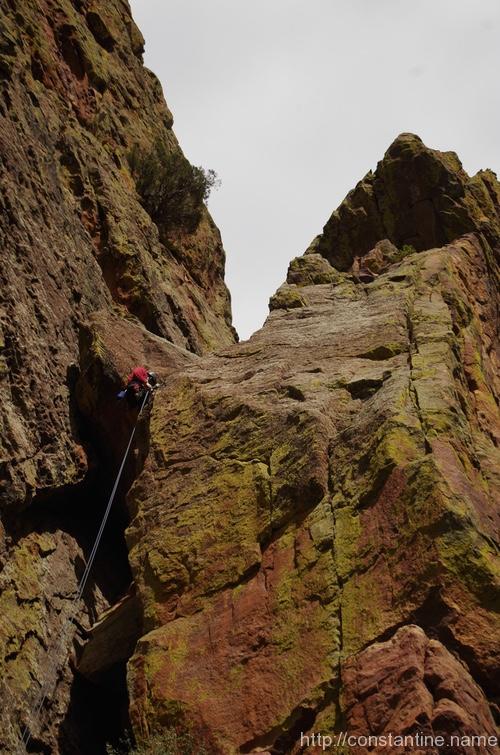
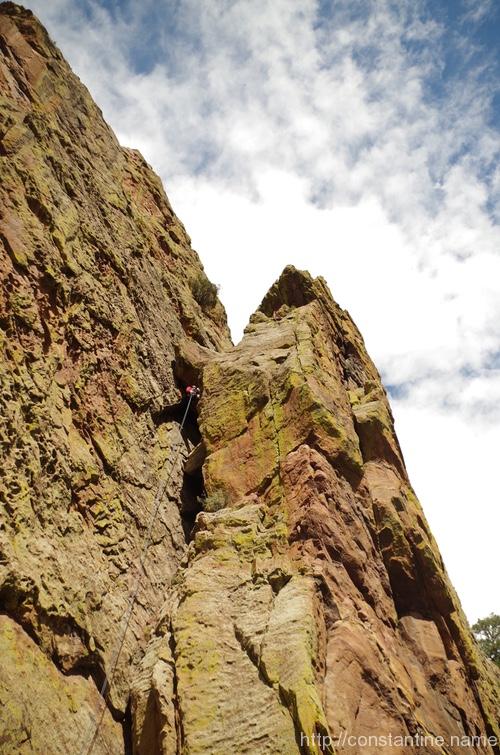
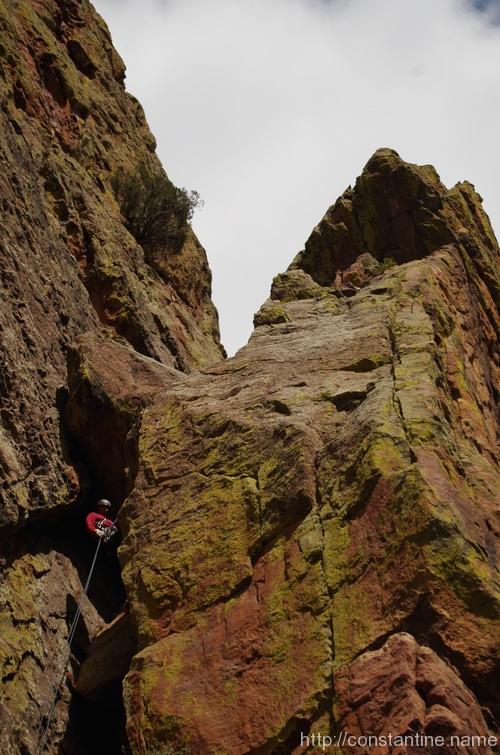
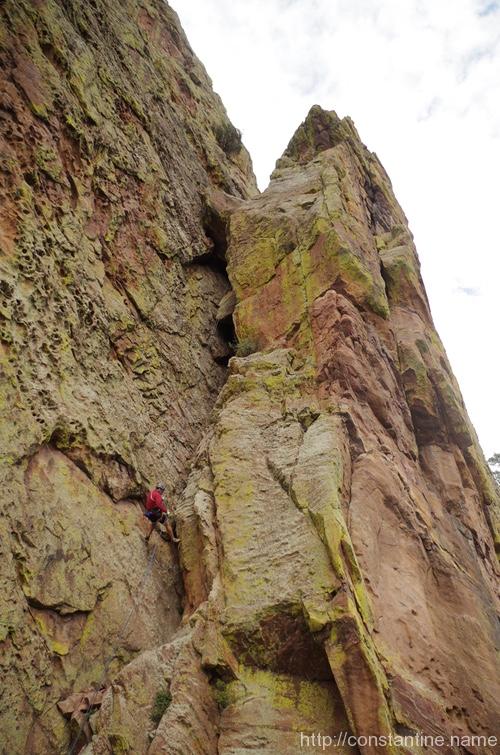
At the base of the wall, you make a short access climb up a notch that finishes as a short chimney. There were two climbers in front of us, so there are a couple shots of another climber going before us…
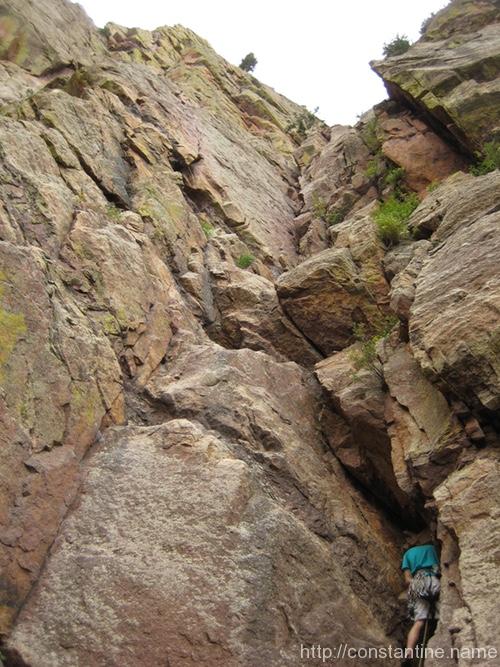
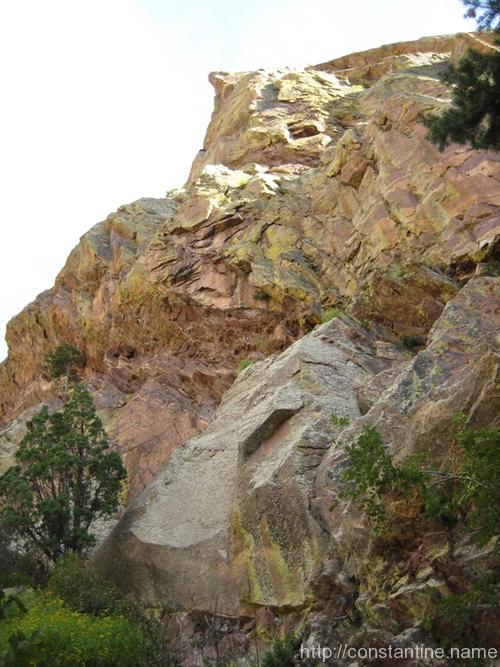
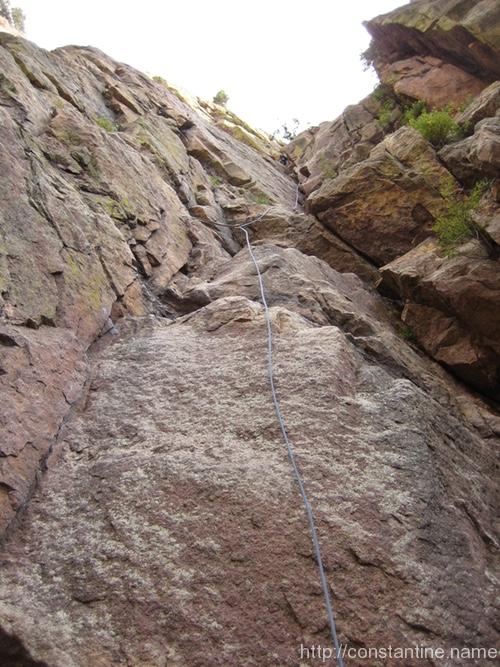
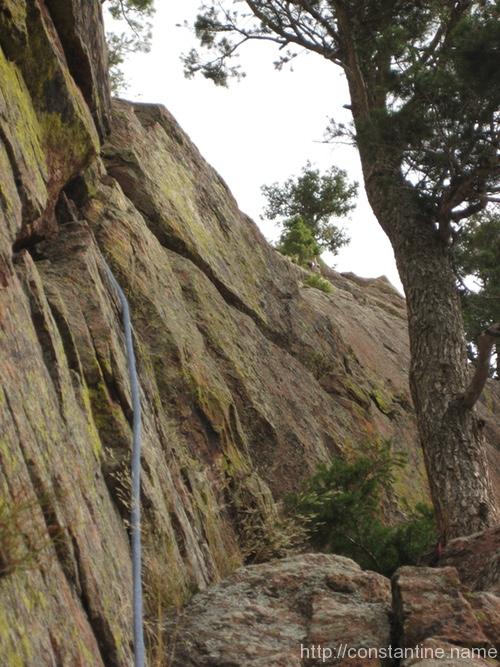
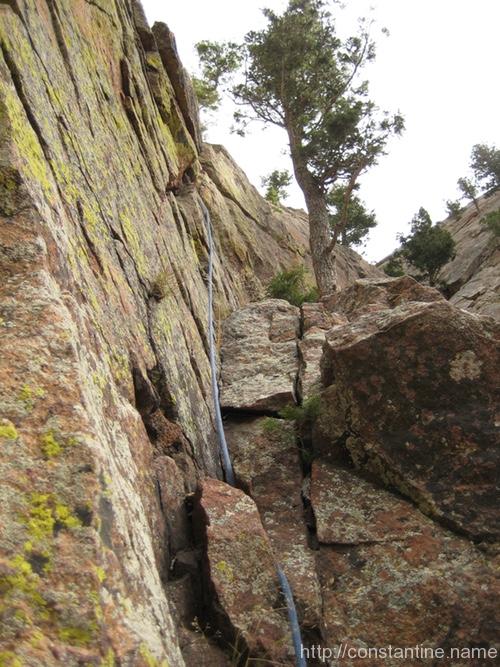
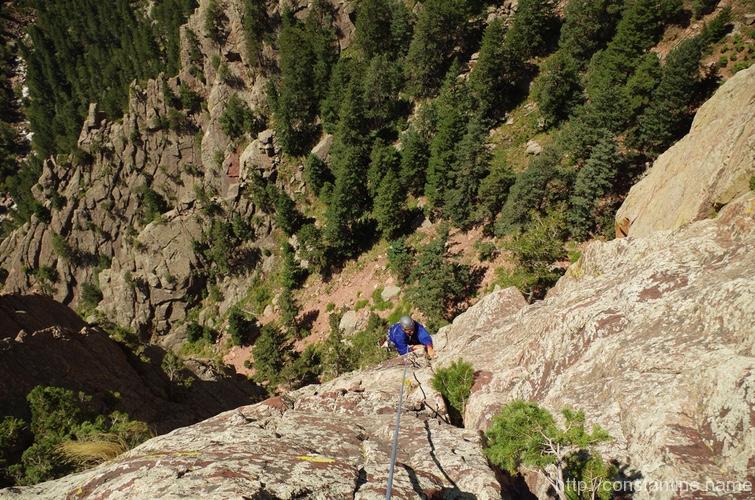
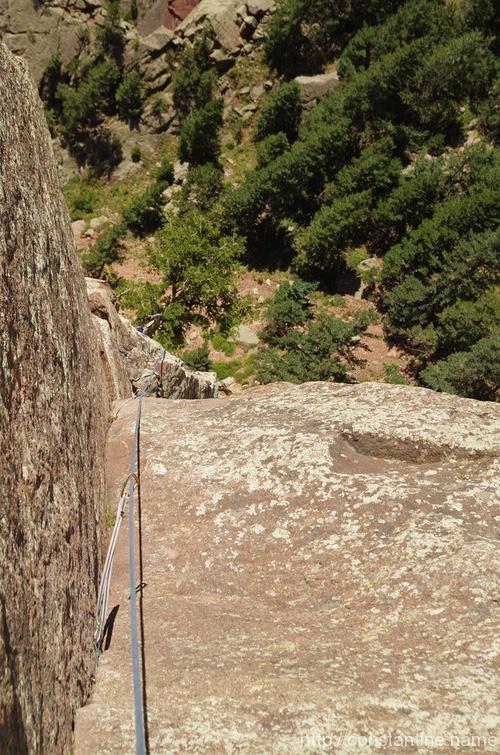
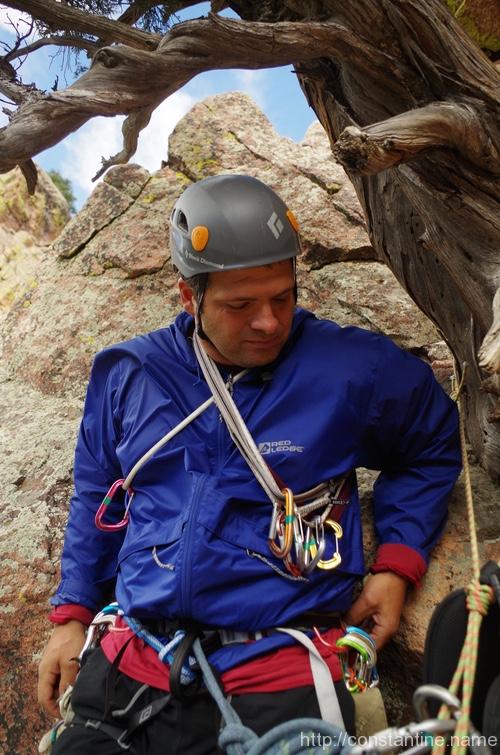
From there we walked along an interior sort of cleft — with the wall on both sides of you. There were climbable routes all over once you ascended the access climb. We picked a 2 pitch route that had a huge variety of rock and features. Crumbly parts where everything was loose, smooth almost slab areas, and huge angular blocks near the top. Pine trees right in the climbing lines, wild flowers, moss. This climb had everything, including a really old — not dead yet! — gnarly tree as a belay-station anchor…
4BH_IMGP5341


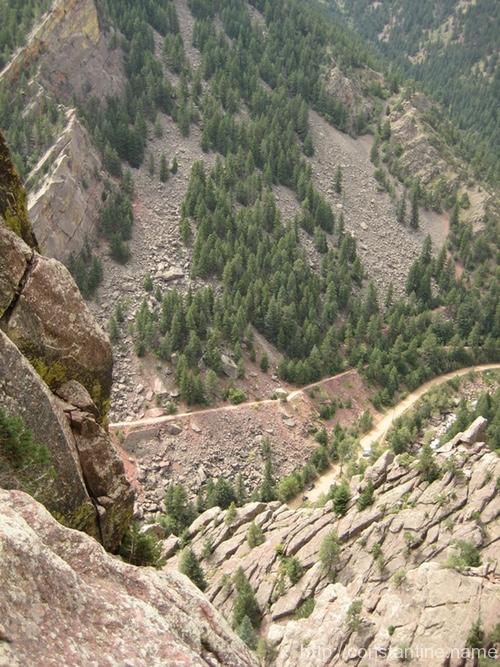
At the summit, we were atop a tremendous tower! The views to the east showed Boulder and Denver just visible. And there was some debate about how exactly we were to get off this thing…
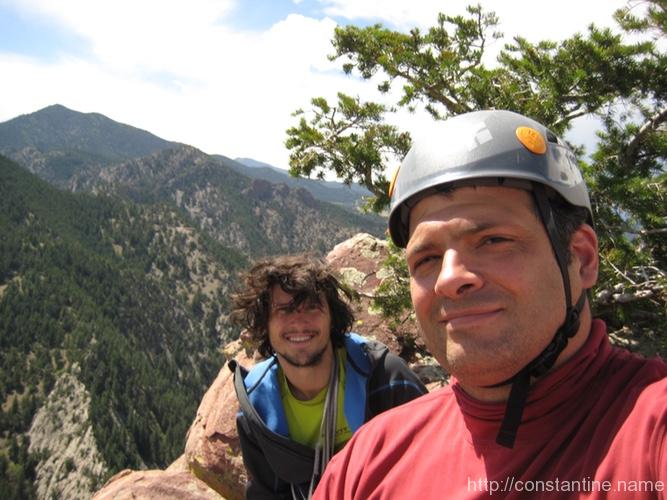
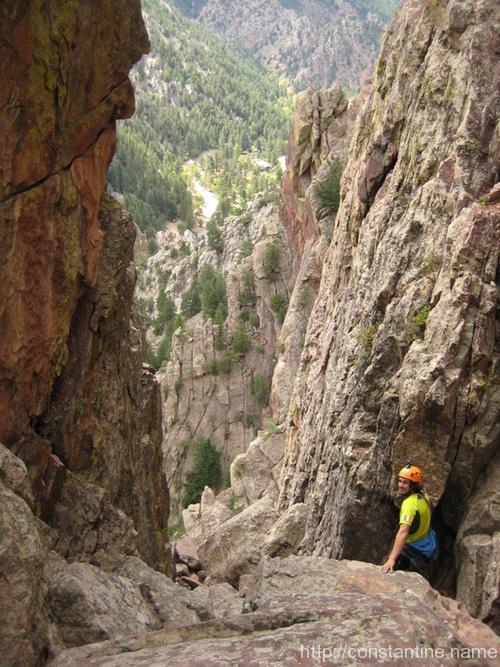
Eventually we figured out the exit; A short rappel, a walk down around the tower to the other side, and then a spectacular rappel out of this enormous notch…
ɕ

Longevity and membrane saturation

This entry is part 16 of 25 in the series M. Eades' Blog

The cell membranes of both young and old honey bee queens are highly monounsaturated with very low content of polyunsaturates. Newly emerged workers have a similar membrane fatty acid composition to queens but within the first week of hive life, they increase the polyunsaturate content and decrease the monounsaturate content of their membranes, probably as a result of pollen consumption. This means their membranes likely become more susceptible to lipid peroxidation in this first week of hive life. The results support the suggestion that membrane composition might be an important factor in the determination of maximum life span.

~ Michael Eades from, «http://www.proteinpower.com/drmike/uncategorized/longevity-and-membrane-saturation/»

ɕ


Dunbar’s number

Dunbar’s Number is a favorite blunt diagnosis for the pains that affect rapidly growing teams. The number, which is somewhere between 100 and 250 describes a point at which a group of people can no longer effectively maintain social connections in their respective heads. What was simple from a communication perspective becomes costly. What was a familiar family that you saw wandering the hallway becomes Stranger Town.

~ Rands from, The Old Guard

slip:4uraai4.

Also, Dunbar’s Number on Wikipedia.

ɕ


UNESCO’s best kept secret

I was recently made aware of a UNESCO document known as their “International Charter for Physical Education and Sport”. I’m quite sure not a lot of people even know of its existence (and most certainly not within our community). This document contains some of the most beautiful thoughts and ideas on physical education and sport that I have ever come across, and what is more interesting, a lot of them seems to be identical with what we believe is good, beautiful and right with our chosen discipline of parkour/freerunning/ADD.

Mikkel Rugaard from, UNESCO’S Best Kept Secret

ɕ


Creating habits that stick

Rather than try to force myself every day, I simply created a “micro-habit” that I knew would lead to the intended behavior. A micro-habit is a single, tiny action that necessarily leads to a bigger action.

. . .

But here’s the trick: Once you perform the micro-habit enough times, it becomes much harder NOT to complete the entire habit than to simply do the whole thing.

Maneesh Sethi from, How to Create Habits That Stick

slip:4uaoho1.

ɕ


You can decide

You may not control all the events that happen to you,
but you can decide not to be reduced by them.

~ Maya Angelou

slip:4a133.


New toys

This entry is part 15 of 72 in the series My Journey

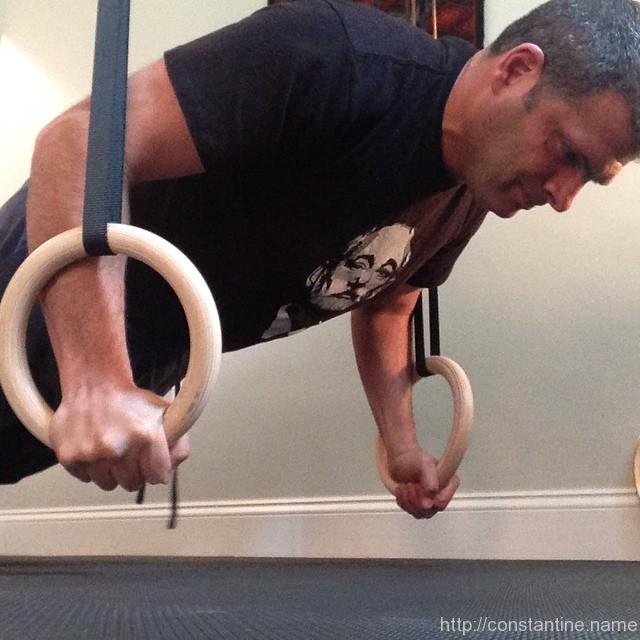
So many people have been talking about rings recently… we are upping our push-up game with new toys! Yet another great use for a pullup bar. Also. wow, this is tough…

ɕ


The Texas sharpshooter fallacy

The Misconception: You take randomness into account when determining cause and effect.

The Truth: You tend to ignore random chance when the results seem meaningful or when you want a random event to have a meaningful cause.

David McRaney from, The Texas Sharpshooter Fallacy

slip:4uyote2.

ɕ


Low-carb adaptation

This entry is part 15 of 25 in the series M. Eades' Blog

There is an adaptation period that takes place when starting a low-carb diet. Someone who has been on a high-carb diet–the standard American diet, for example–has to metabolize a lot of sugar. All metabolic processes require enzymes to carry them out. Our DNA codes for these enzymes, but we don’t make them unless we need them. And when we do need them it takes a while for them to get brought up to the necessary levels. So, when we’re on a high-carb diet, we’ve got a lot of sugar-metabolizing enzymes kicking around, ready to metabolize sugar. All the sugar-metabolizing pathways are working efficiently.

~ Michael Eades from, «http://www.proteinpower.com/drmike/ketones-and-ketosis/lt-frederick-schwatka-and-low-carb-adaptation/»

ɕ


Switch to slow mode

Being in Fast Mode leads to constant switching, and constant busy-ness. It leads to overwork, because when do you switch it off? It leads to exhaustion, because we never give ourselves breathing room.

Learn to recognize when you’re in Fast Mode, and practice switching to Slow Mode now and then. It’s essential to doing all the things that are really important.

~ Leo Babauta from, The Brain’s Fast Mode

slip:4uzewo1.

ɕ