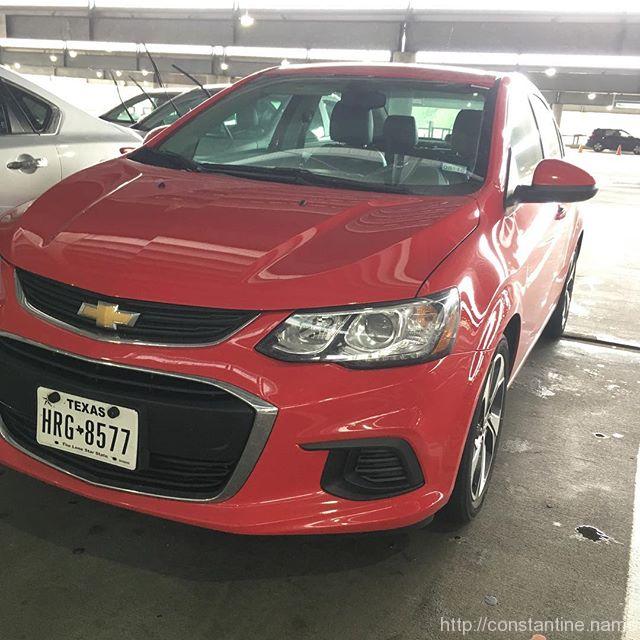
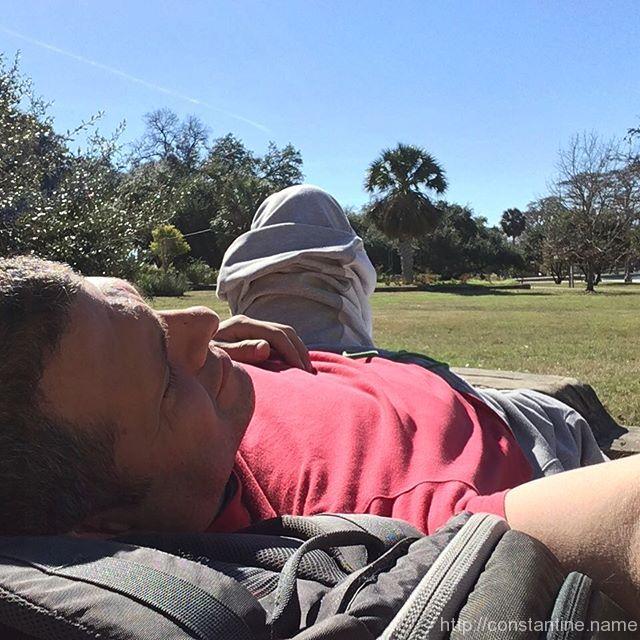
Found this in the camera roll from a couple weekends ago. It was great to bounce around random spots. This was the day before we QMd The Bridge… we’re all still smiling.
ɕ

Found this in the camera roll from a couple weekends ago. It was great to bounce around random spots. This was the day before we QMd The Bridge… we’re all still smiling.
ɕ
Beyond vanity, the reported health effects of an intelligently designed Intermittent Fasting program read like a laundry list of live longer, live better benefits including: reduced blood lipids, blood pressure, markers of inflammation, oxidative stress, and cancer. Increased cell turnover and repair, fat burning, growth hormone release, and metabolic rate. And improved appetite control, blood sugar control, cardiovascular function, and neuronal plasticity.
~ John Berardi from, Intermittent Fasting: A Beginner’s Guide | The Art of Manliness
slip:4uaoie1.
This is a terrific overview. It’s writen by a physician and is intended to get you thinking about how you eat; As opposed to trying to talk you into trying it.
ɕ

Fortune cookie mic-drop.
ɕ
When I started experimenting with intermittent fasting a year or so ago, it occurred to me that my previous beliefs about our ‘need’ to eat three times a day were just wide of the mark for me and, as it turns out, a lot of other people now. I now encourage a much more fluid approach based on the two guidelines above. One thing it’s done for me and others is to liberate us from the supposed need to eat by the clock. The benefits can be huge. In general, taking a more fluid approach seems to lead to people eating less, having more time, and being less preoccupied with food. These are usually big pluses for people.
~ John Briffa from, «http://www.drbriffa.com/2012/08/31/how-often-should-we-eat-2/»
slip:4udiho2.
ɕ
There are a few health-related blogs which I recommend very highly. Whole Health Source is one where you should, basically, read everything he has ever posted. But, a few of the posts are just so awesome — or are great “gateway to getting interested” posts — that I’ve posted some excerpts here.
ɕ
How, then, can we find and embrace emptiness in the sea of digital activity we swim through every day? The possibility of constant communication and information can make us allergic to absence. It’s not just that the technology is ubiquitous, invasive, and addicting. Its presence in our lives belies the deeper issue that the Wilson study touched upon: the ability to sit still with ourselves.
~ Susan Cain from, «http://www.quietrev.com/the-end-of-solitude-overtaken-by-technology/»
slip:4uqute2.
ɕ

I didn’t even know these were a thing until they showed up in my weekly share from @wildfoxfarm … turns out they are quite yummy pickled. …especially *spicy* pickled! :D
ɕ
To begin reorienting to a life of action requires something which at first appears to be non-action: meditations. We have to contemplate what action is and understand how it plays out in our lives. … At the same time, we can appear to be doing all sorts of things externally without actually taking a meaningful action. As Thoreau asked, “It is not enough to be industrious; so are the ants. What are you industrious about?”
~ Brett McKay from, Meditations on the Wisdom of Action | The Art of Manliness The Art of Manliness
slip:4uaome2.
ɕ
The concept of endurance athletes stocking up on carbs has, I think, fuelled the notion that we should ideally have some sort of fuel inside of us prior to exercise. However, as I explain here, there is an argument for avoiding spikes in blood sugar is seeking to maximise one’s capacity to utilise fat as a fuel during exercise. I think there’s an argument for consuming little or nothing before exercise unless, perhaps, exercise is to be very prolonged.
~ John Briffa from, «http://www.drbriffa.com/2012/11/13/study-suggests-that-for-optimal-fat-loss-the-best-thing-to-eat-before-exercise-is-nothing-at-all/»
slip:4udisu1.
Sometimes people don’t believe me when, around 11am in the middle of some crazy physical activity, it comes up that I haven’t yet eaten anything. I usually ask them why they think they must eat every waking hour? Why is “breakfast the most important meal of the day”? Why do you eat what you generally eat? And then I ask them to consider looking into the notions they have about nutrition…
ɕ
Then how do so many people maintain a stable weight over years and decades? And how do wild animals maintain a stable body fat percentage (except when preparing for hibernation) even in the face of food surpluses? How do lab rats and mice fed a whole food diet maintain a stable body fat percentage in the face of literally unlimited food, when they’re in a small cage with practically nothing to do but eat?
The answer is that the body isn’t stupid. Over hundreds of millions of years, we’ve evolved sophisticated systems that maintain “energy homeostasis”.
~ Stephan Guyenet from, The Twinkie Diet for Fat Loss
slip:4uboti1.
This is why I’ve been losing weight, slowly for years now. Lots of little changes that shift the balance.
ɕ