Researchers record dolphin ‘conversation’ revealing possible spoken language

A team of researchers with Russia’s Karadag Scientific Station–Nature Reserve of RAS has used specially developed underwater microphones to capture for the first time what they claim to be a human-like conversation between two Black Sea bottlenose dolphins.

~ From Researchers record dolphin ‘conversation’ revealing possible spoken language

slip:4upyne12.

42!

ɕ


Men “working”

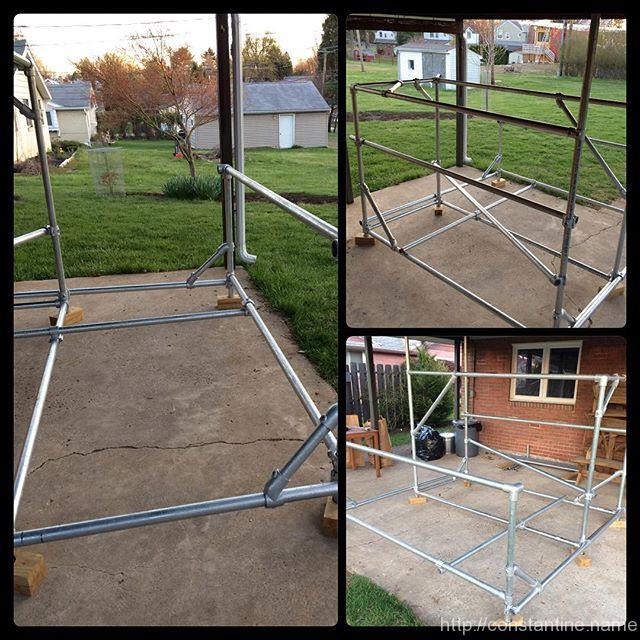
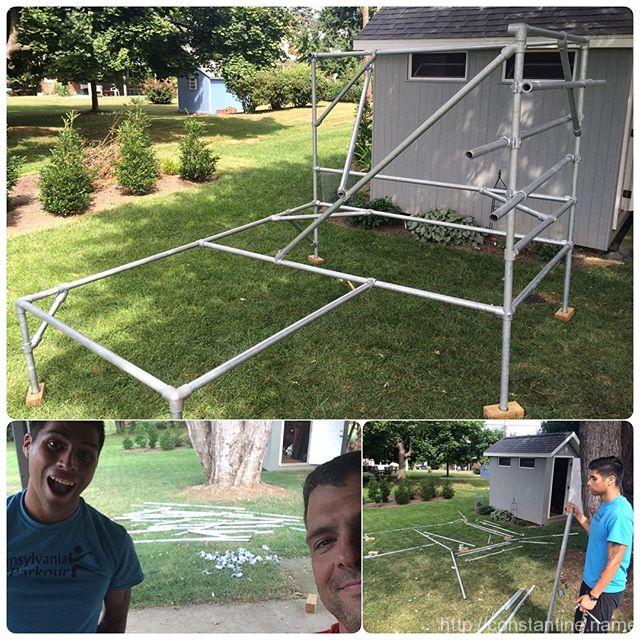
Back home, stripped scaf down and building in the lawn. Rails balance, a waterfall and some random angles. Lazy parkour Saturday!

ɕ


I work like a gardener

This entry is part 55 of 72 in the series My Journey

I work like a gardener… Things come slowly… Things follow their natural course. They grow, they ripen. I must graft. I must water… Ripening goes on in my mind. So I’m always working at a great many things at the same time.

~ Joan Miro from, I Work Like a Gardener: Joan Miró on Art, Motionless Movement, and the Proper Pace of Creative Labor – The Marginalian

slip:4ubaio1.

In the beginning, my Parkour practice was simply “push. push! PUSH!” with the only moderating factor being to avoid serious injury.

Fortunately, I soon found my own way to the concept of auto-regulation (although I didn’t know the word at the time). Now, at each practice session, I simply start moving and practicing. Then depending on how I am actually performing (physically, mentally) I dial up or down the intensity, and level of challenge, to correspond to the moment/hour/day. The critical point being that I assess how I am actually performing. It’s not, “I roll out of bed, decide I feel sore (or lazy) and then skip the workout/class.”

Lately, I’m noticing there’s a seasonal component. (It’s one thing to say that. It’s another thing to really experience it over a few years.) In the Spring I charge ahead on new plans and goals, and by Summer I find I’m making progress by leaps and bounds. (See what I did there? .) Then Fall rolls around and I’m starting to chillax and really enjoy things; Meals with friends, vistas, the moments between gonzo training sessions, etc. By the time winter descends, I’m ready to burrow into reading and cooking up new schemes for the coming year.

Obviously, part of that is just the natural rhythm of life in an area that has four clear seasons.

…but part of it is exactly what Joan said about working like a gardener.

ɕ


Live bait

7′ pull-up bar, “water fall” bars, 7′ long clear railing, gap challenges, adjustable precision bars… my new live-bait trap for scaf-loving humans. There’s an LVPK women’s event tomorrow (Saturday)… so I’ll be investigating this beastie! Who’s in?

ɕ


Post class thoughts

This entry is part 5 of 37 in the series Study inspired by Pakour & Art du Déplacement by V. Thibault

As I expected, I pretty much forgot about this project once I was on my way to class. So this is just my looking back at my experiences in class through the lens of this first section of the book. (I’m betting this is what’s going to happen another 89 times.)

I’m not going to pick apart every moment from class; I’ll just go over a few that come immediately to mind:

Balancing at height – We started practicing purposely bailing off a low rail and worked up to some climb-over tasks in a playground. Eventually we worked up to a “find something that’s high enough to be moderately uncomfortable” level of individual balancing. I headed for a 7-foot high long bar (like where swings would hang. sorta.) and struggled my way up onto the bar — that was a challenge in and of itself. So I definitely went straight at something that was challenging — falling from standing on a 7-foot bar is not trivial. I down-graded though after falling, because climbing up multiple times wasn’t worth the little bit of balancing I was managing.

Balancing on a rail – We were working with partners. We ended up mostly taking turns challenging each other. Try this, try this variation, etc making it increasingly difficult. At one point, I quietly headed off to the side for a rail to work on a sequence of variations. (Off to the side so as not to be a distracting, apparent-show-off.) So again here, definitely operating in the mind set where “the obstacle is the path”.

QM exercise – We ended with a laps challenge. For me, 3 laps of QM around a small-ish basketball court, followed by a running lap around the school. I pushed this really hard and it was here that I think the mind set really paid off . . .

In a discussion with Tracy after class, I came up with the idea that I seem to be using this mind set as a “razor”; An immediate yes/no testing tool. Your mind is busy with a stream of thoughts as you grind you way through hard work. In hindsight, I realize I was fast-processing everything with this combination of the mindset and a dash of stoicism. “Caution, quad nearly cramping,” is something I can affect; pause and unload that leg, or stretch it, or slow down. “Ow, stone in my hand,” shake it off when next I lift that hand. “I want to quit,” what? no, that’s not going to move me forward towards my goal. “How is [other student] still going so fast,” ignore that I cannot affect that. So it seems to have been just this long (long LONG) series of thoughts. Sometimes I’m certain I wasn’t finished with one thought before another preempted it; Which is fine, the really important stuff will preempt silly thoughts about a cool drink of water.

So it was nice to come away believing that I’m already applying this mind set in a big way.

Light bulb

But wait a second, here’s a new [for me] thought: This mind set also means there’s a difference between “stopping” and “quiting”, even though outwardly they look identical to an observer. I can STOP for the RIGHT reason, or QUIT for the WRONG reason. Stop before an actual cramp, verus quit because I’m demoralized. That’s another facet of using this mind set as a “razor”.

ɕ

Blenheim 5

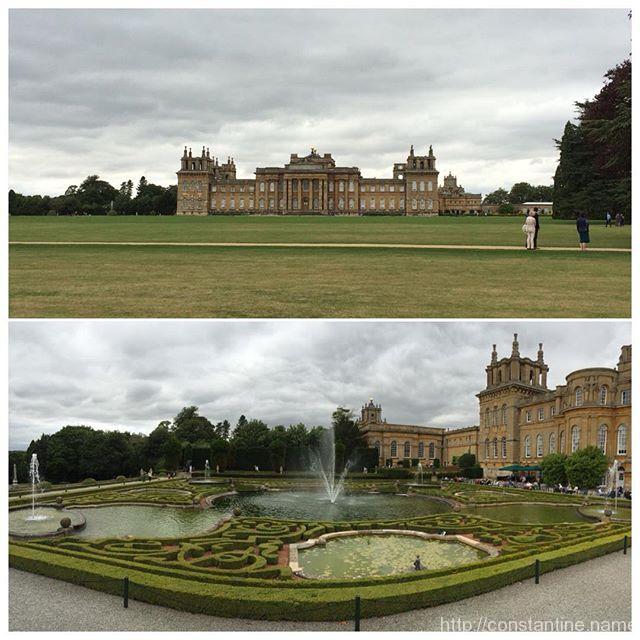
Lastly from Blenhein, panoramas of the (upper of two) water terrace and the palace from about the *middle* of the lawn. D8

ɕ


Persistent organic pollutants

This entry is part 17 of 25 in the series M. Eades' Blog

Organochlorine pesticides (DDT, lindane, etc), organochlorine and organobromine industrial pollutants, solvents, placticizers, and a host of other such substances are in the stored fat of all of us. Their use over the previous decades has so filled our environment with these chemicals that we can’t escape them. The are in the air, they fall in the rain, they are in the groundwater. Consequently, they are in our food. Whenever we eat, we get a load of these persistent organic pollutants (POPs) that make their way into our fat cells and cells in other tissues. And they build up because we can’t get rid of them.

~ Michael Eades from, «http://www.proteinpower.com/drmike/weight-loss/a-legitimate-use-for-orlistat/»

ɕ


Batman and Robin (aug 28)

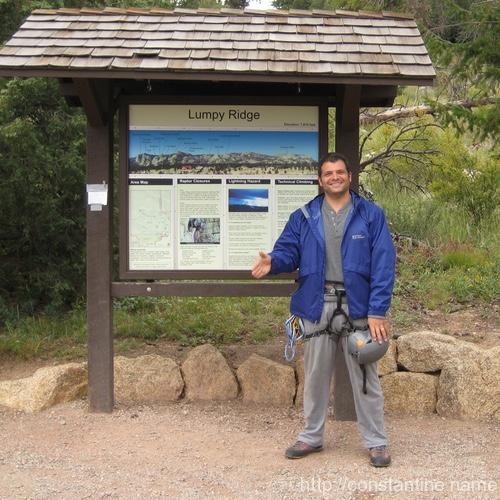
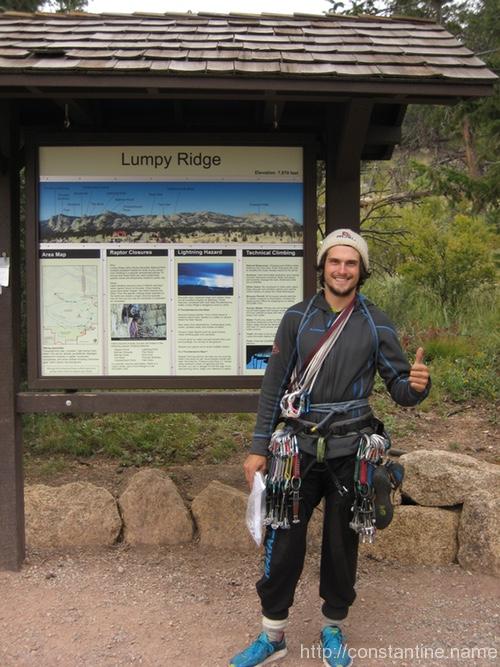
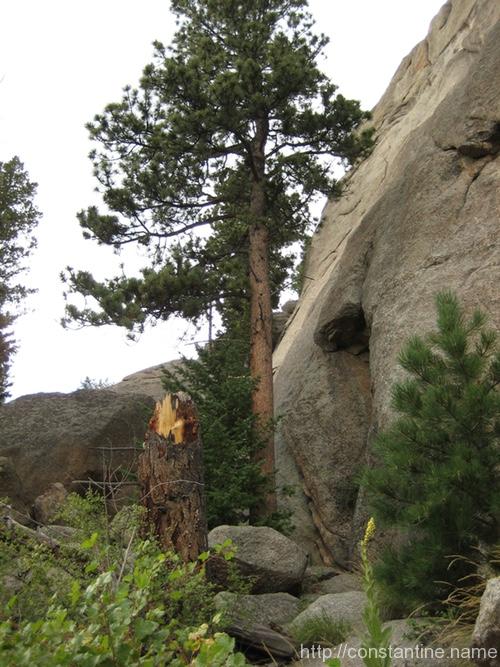
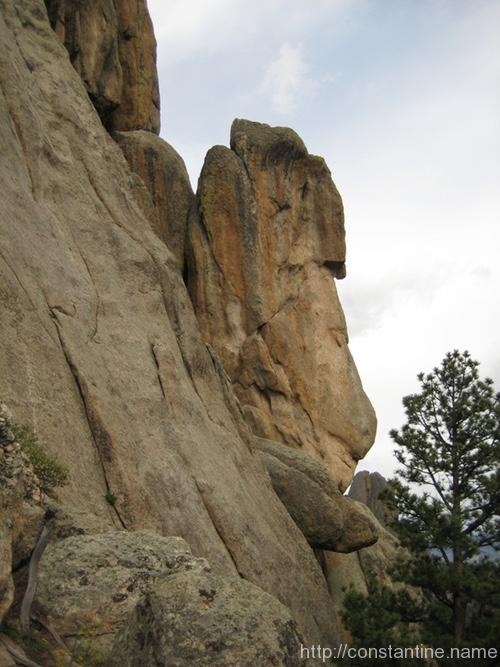
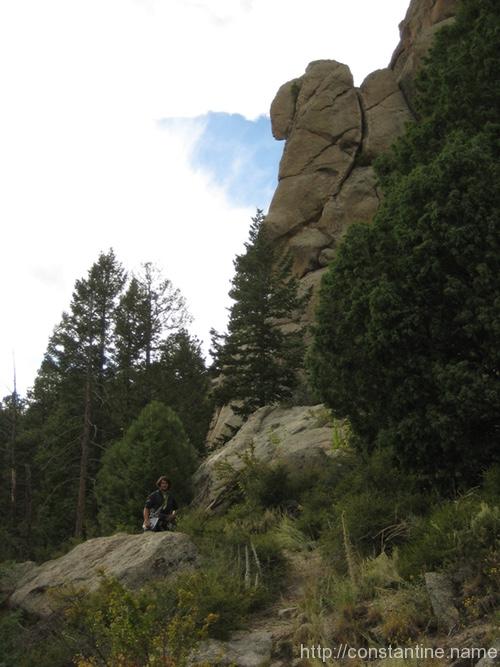
Batman and Robin is a neat climb on Lumpy Ridge in Estes Park!

Mike and I picked this climb after spending the entire morning trying to climb Deer Ridge. So here we are, roasted, before we even hike in to Batman and Robin.

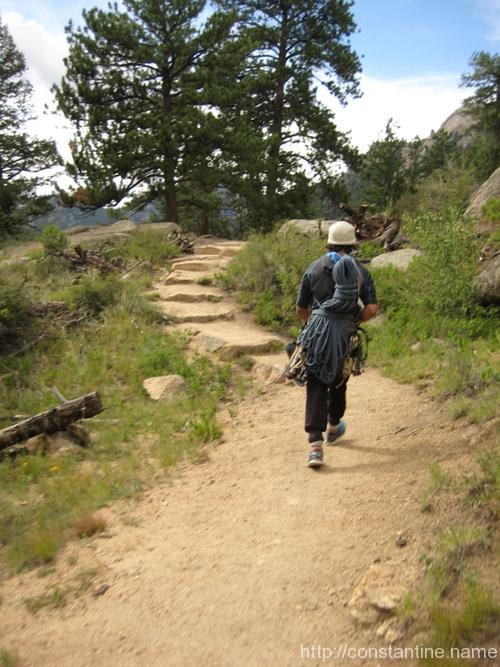
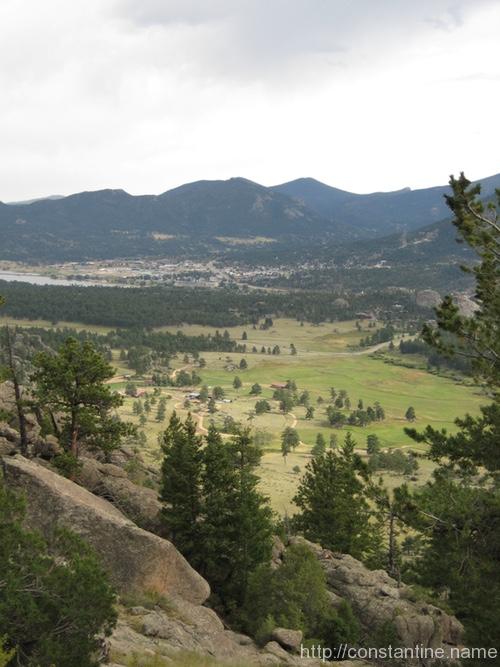
Lumpy Ridge has a slew of easily accessible climbs. It’s a stroll in the park — literally — to reach the climbs. The only confusion was the guide book said “readily visible from the parking lot.” We wasted some time until we realized they meant from the original parking lot, not the recently constructed one (which is very much easier to access.) Anyway. Last photo above is the view of the old parking area, from near the base of the climb.

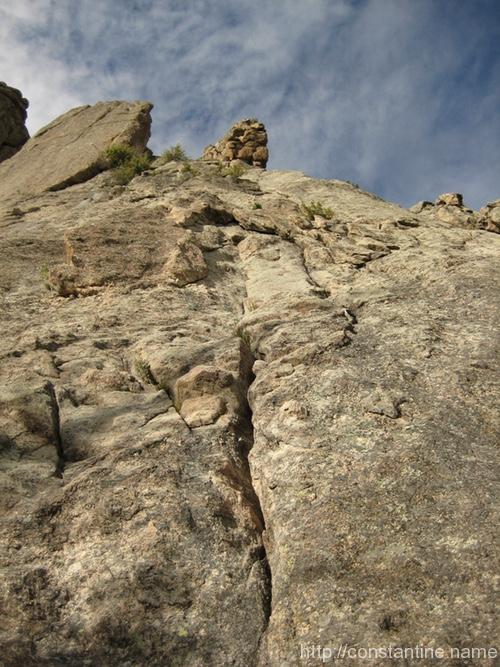
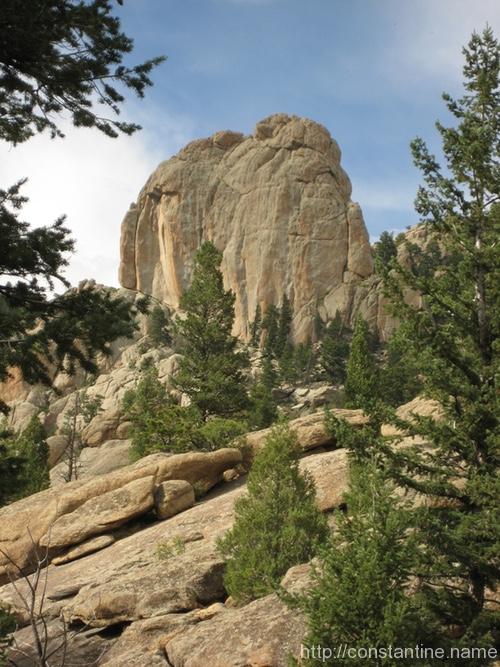
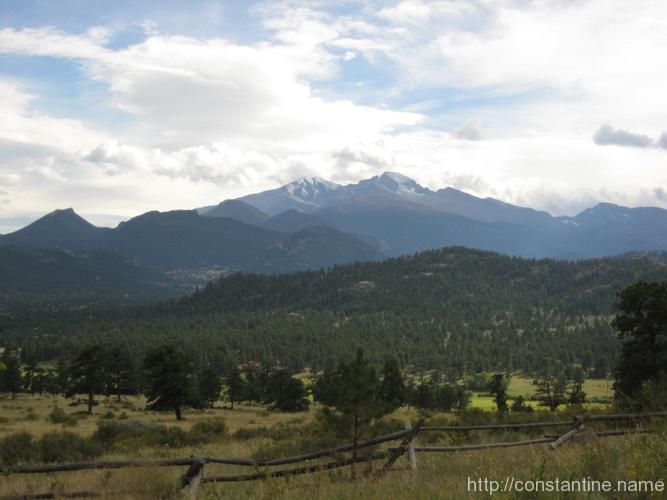
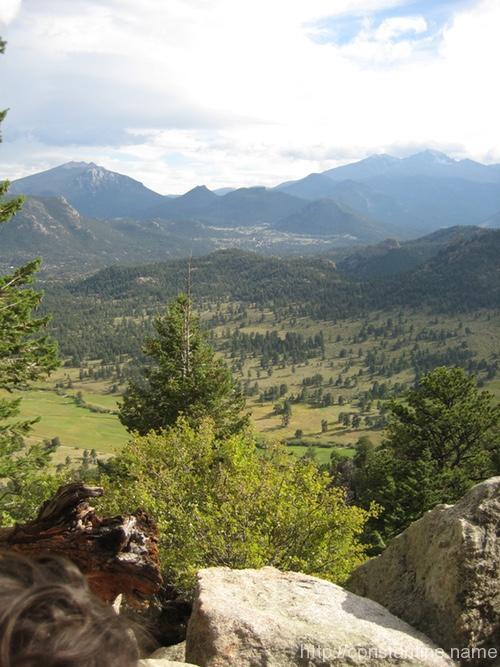
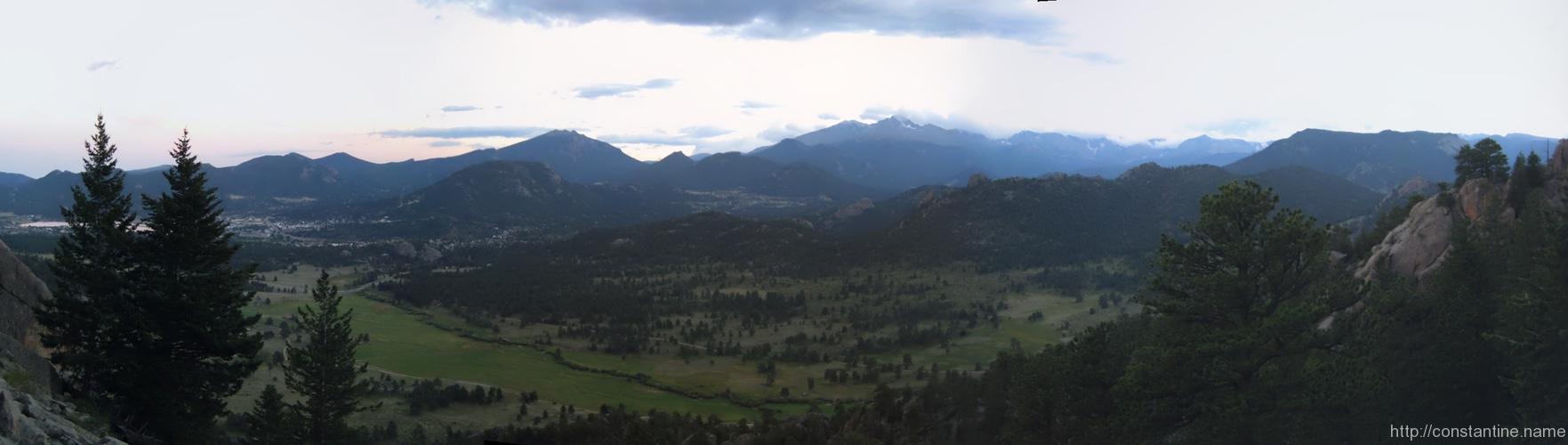
Above are some views from the base of the climb. As you can see in the panorama, the weather was a little “snotty” (as we sailors would say) — cool, gusty winds from changing directions, spritz of water now and then. The climb — in the third photo — reminded me of the original TV show when Batman and Robin would lean forward and they turn the camera to make a really bad “scaling a wall” shot. We could have walked up it like that with a rope, but it was still fun. In the middle of the climb (no photos sorry), there was this cool section with huge angular blocks, so you were trying to paste yourself like a gecko on these huge flat, sloped surfaces. It was really unique. (Honestly, every climb in Lump was really unique and different.)

We reached the top of the climb very late in the afternoon. The last 20 feet was this crazy-fun, who-put-this-here?!, section with big blobs of rock going straight up. There was plenty to hold on to and climb, but you really had to be fiddly, working to get every inch without peeling off the rock. (Which makes for very fun climbing.) At the top… surprise storm! The wind picked up and a thunderstorm was rolling in over the ridge from behind us. On the top of  rock is a Bad Place To Be(tm) in a thunderstorm. So I rappelled off our belay anchor, Mike stripped it down and did a free (no gear) down-climb of about 15 feet as we scurried for cover. Once off the tippy-top, we rappelled 3 sections (Like Batman and Robin!) and ran — LITERALLY RAN, more than a mile out of the park with our gear to beat nightfall. We got to the van just after dark, completely exhausted and soaked in sweat.

We had a total blast! :*D

ɕ


Measuring our successes

It happens in homes, in our relationships and our jobs, in learning, and even in innovation (as ‘technical debt’): the sense of being trapped by circumstances.

Many have felt themselves in a situation of hopelessness, of not having time to claw their way out of survival mode, and get their head above water. Often conflicting interests stack up to trap you in indecision, and it’s when you are at your most vulnerable that others tend to attack rather than help.

~ Mark Burgess from, Poverty Traps

slip:4umabo2.

ɕ


24 hour challenge prep

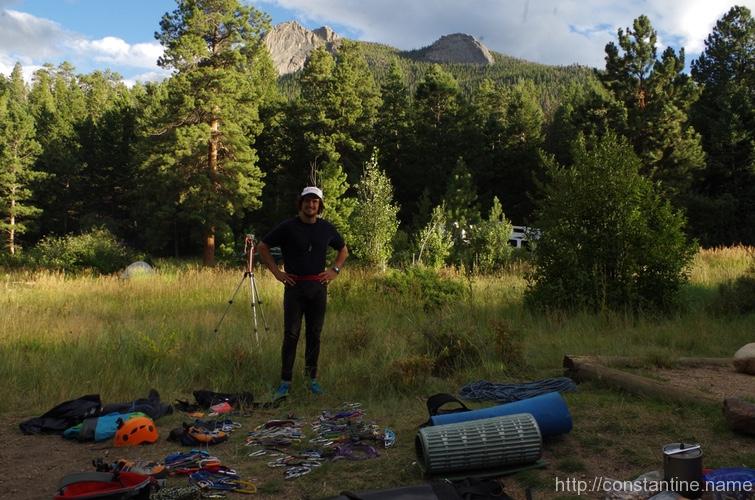
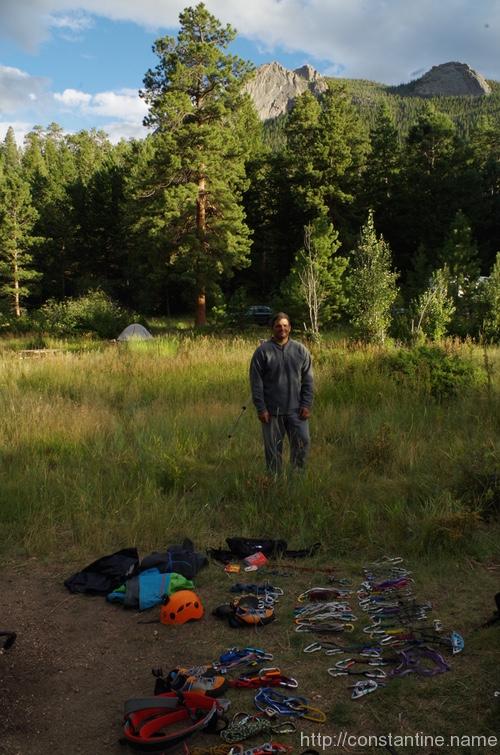
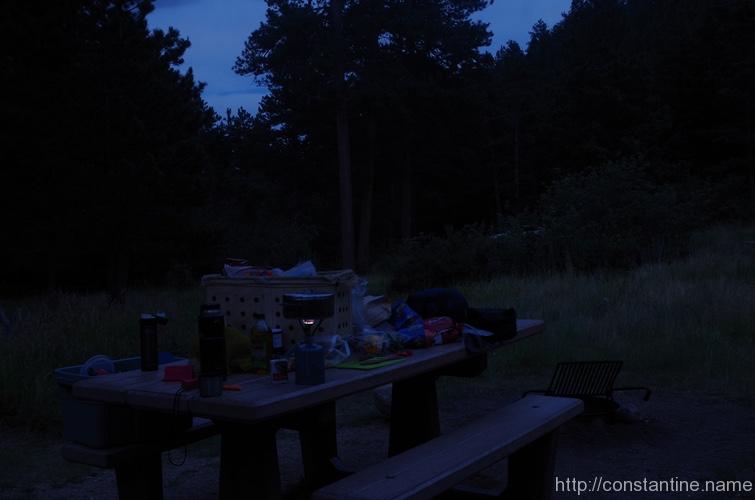
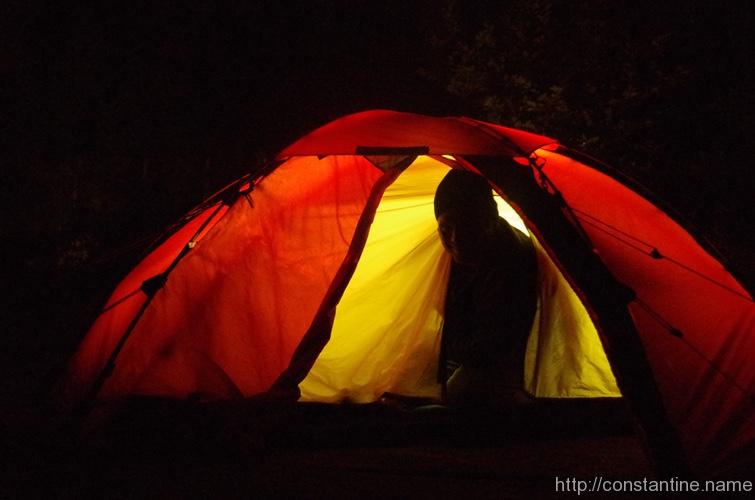
Mike and I were planning a 24 hour climbing challenge; Basically, an attempt to keep moving (hiking from one climb to the next) and climbing for 24 hours straight.

These photos are from way back in July 2014 when I was rock climbing in Colorado with Mike Bowyer. I’m only just now getting back to going through the rest of my photographs.

IMG_4008

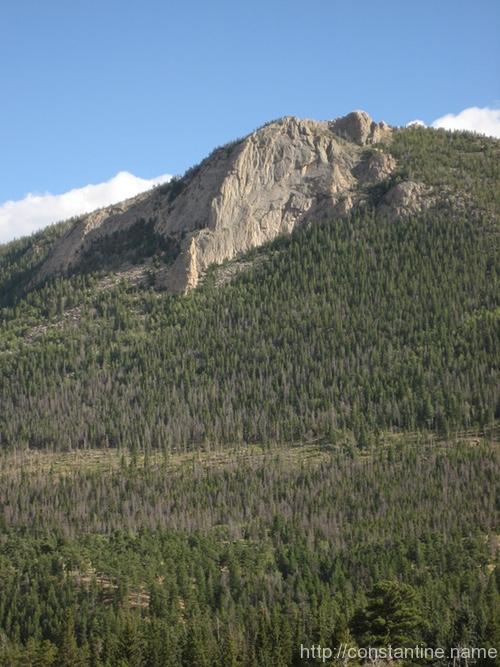
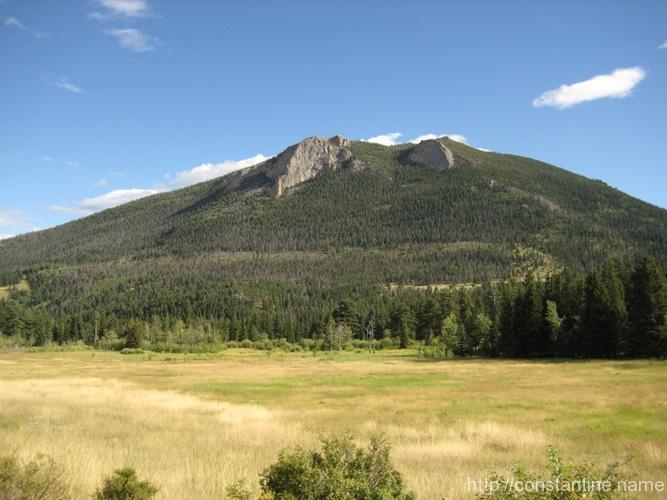
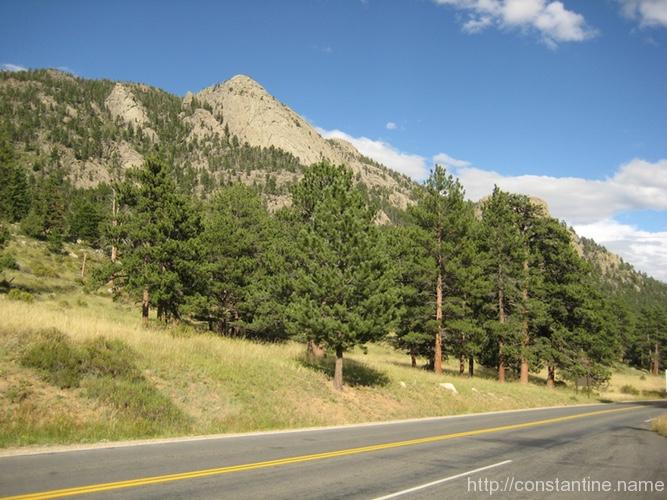
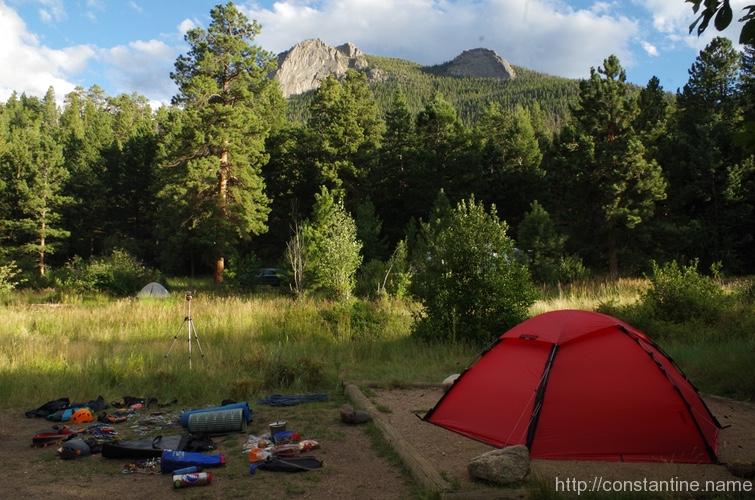
Aspen Glenn campground — where we were camping — is tucked into the trees at the base of this mountain.

Our plan was to get up before dawn (4:30 to be exact), hike the 1,500 vertical feet through the forrest (starting at about 7,000 feet above sea level mind you.) There’s no trail to the base of the climb; The plan is to just go straight from our campsite to the climb, and arrive at the base of the climb at dawn — a test of our planning and navigation in the dark. Climb the nose — that prominent line between the sunny and shady faces of the big beautiful hunk of rock. Then hike down (there’s a trail from the top that curves around the right shoulder) and back through our campsite for water and food.

IMG_4010

At the campsite, we’d pick up a pre-stuffed extra gear bag and hike across the valley floor. On the north side of the valley is MacGregor slab; It’s just this big ‘ol gently sloped blob of granite with about 12 different climbable lines. We planned to stash our gear bag at the base of the slab, and then start doing laps of: climb-up, and walk-off around the shoulder, all day and night. Again, there are no trails that lead to the climbing on MacGregor. It’s just a bush-wack “that way”. If everything went perfect, we hoped to get the last climb to end on the top of the slab at the next sunrise.


As the sun set on our day of planning, I set up my camera to take a long, time-lapse of the first thing we planned to climb the next day. This isn’t a “fade to black” at the end, it’s a “sun went down, it got pitch dark” end. (6 seconds of video.)

ɕ