A step backward, after making a wrong turn, is a step in the right direction.
~ Kurt Vonnegut
Elsewhere, this is 4a1242. — slipbox
A step backward, after making a wrong turn, is a step in the right direction.
~ Kurt Vonnegut
Elsewhere, this is 4a1242. — slipbox
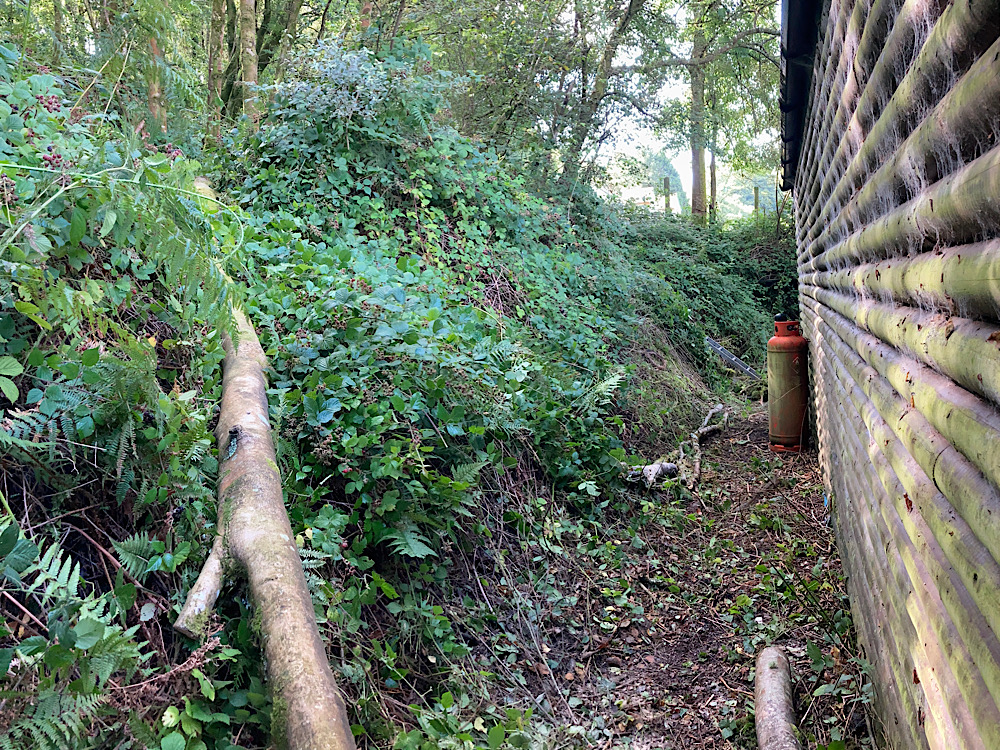
This rather large tree (much too heavy for us to lift) had fallen onto the roof of this building. It took two us, and some Quadrupedal on a slippery roof to get it trimmed, properly felled, and then off the roof without any damage. Tomorrow will be more walking in London.
The sensations of physiological sleep-pressure are deeply unsettling. To begin to lose the ability to control one’s body… To begin to lose consciousness… To begin to lose stretches of time…
Lately I’ve been trying to pay attention to the tiniest hints of sleep pressure. The other evening I had a thing to do… and I was struggling. I wanted to do the thing, but I was unable to do it. As soon as I realized I was struggling with sleep pressure I was off to nap knowing sleep pressure is not a thing I can avoid, only post-pone. Better to sleep now then to continue wasting my time struggling.
The idea that getting adequate sleep is a crucial ingredient for good health – as crucial as good nourishment – is one that many societies have been slow to embrace. The pressures and pace of modern lifestyles certainly don’t encourage healthy sleep practices, whether it’s from the pressures of work or the ubiquitous increase of anxiety-induced insomnia.
~ Van Savage and Geoffrey West from, A quantitative theory unlocks the mysteries of why we sleep | Aeon Essays
Elsewhere, this is 4uaeea25. — slipbox
Yikes. I think I’ve gotten anxiety-induced insomnia just reading that. So on the off-chance you’ve not yet realized that sleep is—literally, without exaggeration—the most important thing in your life, I’ll just say: Sleep you should, and perchance to dream.
ɕ
When you want to know how things really work, study them when they’re coming apart.
~ William Gibson
Elsewhere, this is 4a1241. — slipbox
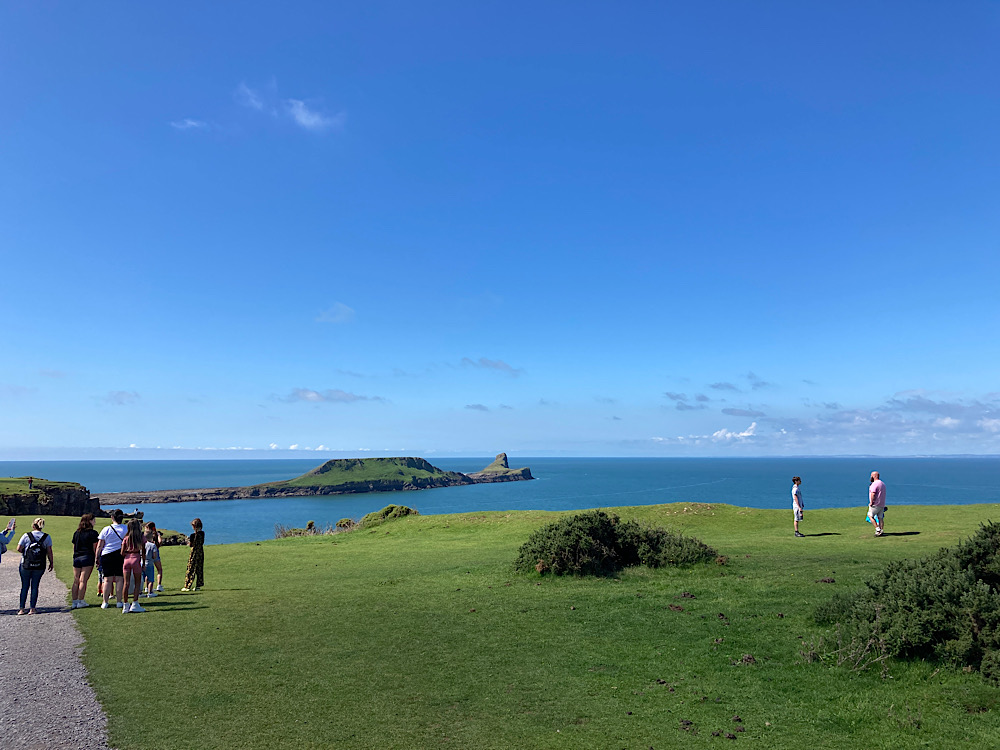
Another day of perambulation visiting Rhossili in glorious weather.
History will have to record that the greatest tragedy of this period of social transition was not the strident clamor of the bad people, but the appalling silence of the good people.
~ Martin Luther King, Jr.
Elsewhere, this is 4a1240. — slipbox
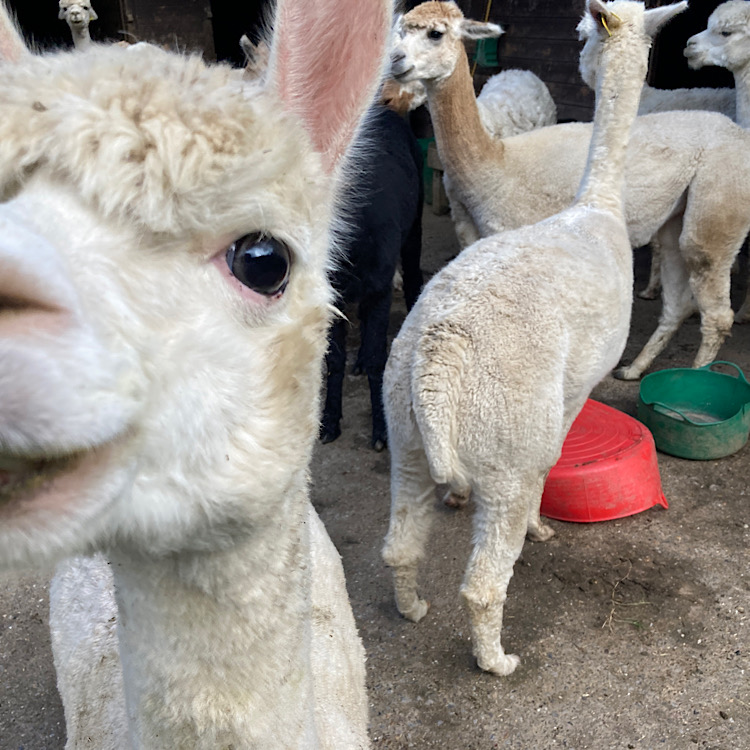
Spent the afternoon perambulating and exploring with a friend.
Reading time: About 5 minutes, 900 words
Get 7 for Sunday in your inbox. → Subscribe here.
This issue is https://7forsunday.com/45

Burly final challenge from Roberto on day 3.