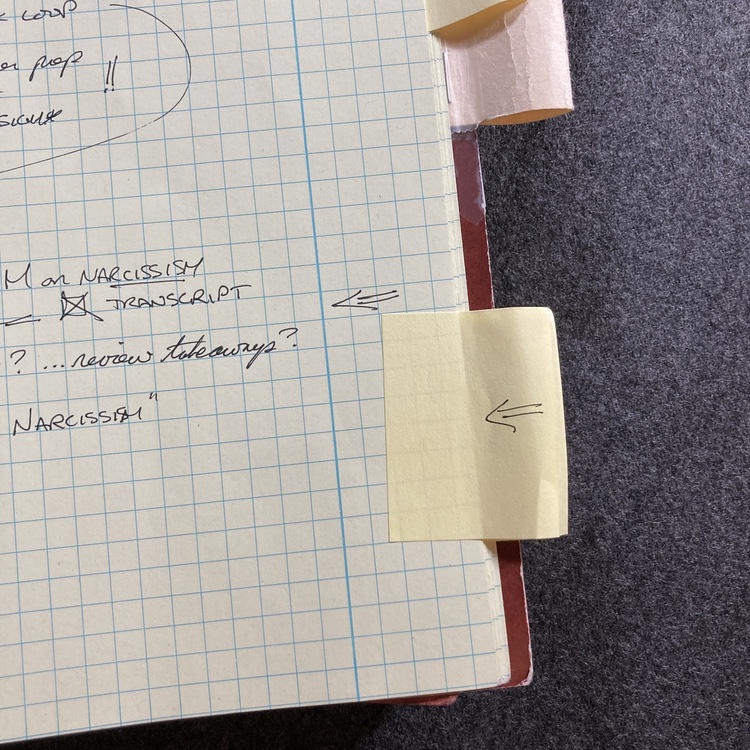
Where Does Your Notebook Live?

This might be the most important decision you make about your notebook practice.

Your notebook needs to live where you already are, not where you think you should be.

Here’s the common mistake: putting the notebook in an aspirational location. The beautiful desk in the home office with perfect lighting. The special reading chair. The dedicated workspace you set up but rarely use.

The problem is simple: If you’re not already spending time there, you won’t use the notebook.

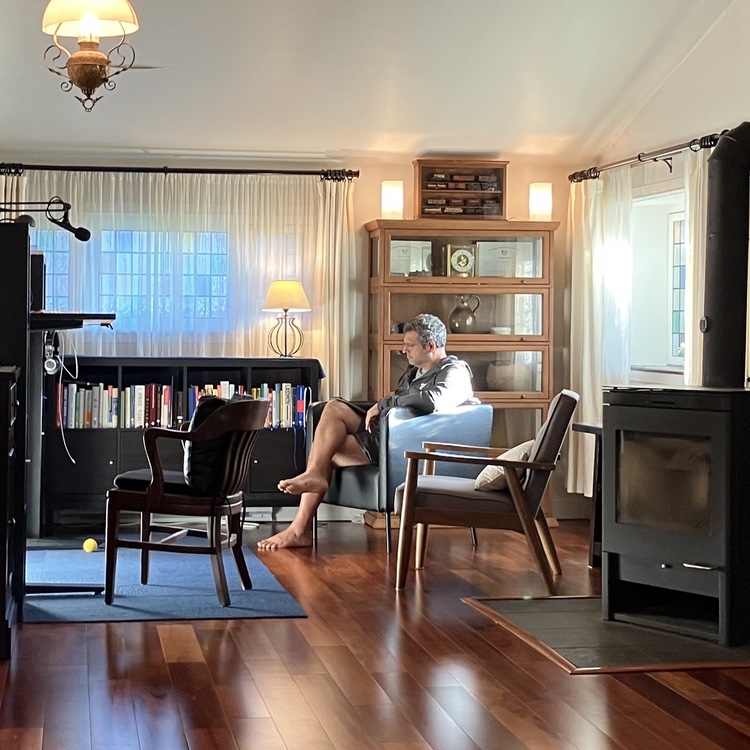
Think about where you actually spend your day. The kitchen counter where you drink your morning coffee. Your desk at work. Next to your laptop if you work from home. In your bag if you’re always on the move.

Not where you wish you spent time. Where you actually are, during the main part of your day, when you’re doing things and thinking about things.

Physical proximity matters more than you’d think.

If you’ve started a notebook practice and it’s not sticking, check where the notebook lives. If it migrated to a drawer or a shelf, that’s your answer. Move it back to where you actually spend your day.

ɕ

This is part of a series about Hand-Write. Think Better.—a method for people who feel overwhelmed to start simply writing more on paper. Get the book → or grab the free quick reference →

One Notebook. Not Two. Not Three. One.

The decision about where to write something is friction. Friction is the enemy.

You want zero decisions between “I should write this down” and actually writing it down.

I know it’s tempting: one notebook for work, one for personal, one for that side project. That’s three decisions you have to make every time you want to write something down. Three opportunities to just… not write it down.

What actually matters is having something you can write in without thinking about whether this thought “belongs” in this particular notebook.

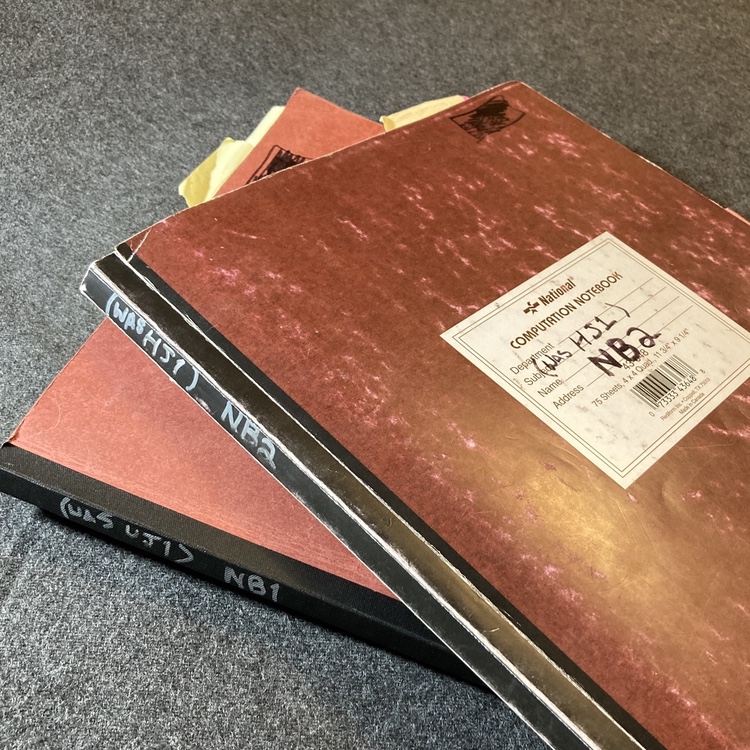
One notebook. Everything goes in it.

Work stuff, personal stuff, ideas, questions, whatever. It’s all part of figuring out what you’re trying to do. The notebook doesn’t care about categories. Neither should you—at least not at the moment of capture.

Organization can come later. Capture has to happen now, or it doesn’t happen at all.

ɕ

This is part of a series about Hand-Write. Think Better.—a method for using paper to think more clearly. Get the book → or grab the free quick reference →

The Backwards Productivity Hack

Here’s what sounds wrong but turns out to be true: writing more actually creates less work.

When you feel overwhelmed, the last thing you want to do is add another task. Writing things down feels like more work piled on top of everything else you’re already not getting done.

But here’s what actually happens when you don’t write things down: You think about the same problem multiple times. You have the same realization three different times and forget it twice. You start working on something, realize you don’t know the next step, stop, and come back to it later only to re-figure out where you were.

That’s exhausting. And it’s way more work than writing things down.

Writing is slower than thinking. That’s actually the point. When you write, you can only hold one thought at a time. You have to finish the sentence before you start the next one. This forced slowness makes you think more clearly about what you’re actually trying to say.

And once it’s written down, you don’t have to hold it in your head anymore.

More writing = clearer thinking = less total effort.

It sounds backwards until you try it.

ɕ

This is the first in a series of posts about Hand-Write. Think Better.—a method for people who feel overwhelmed to start simply writing more on paper. Get the book →
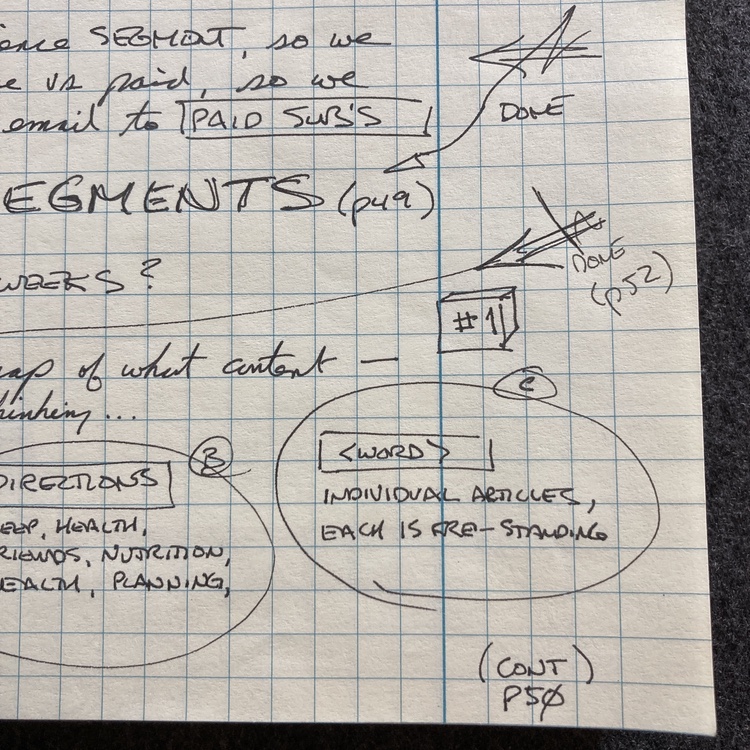
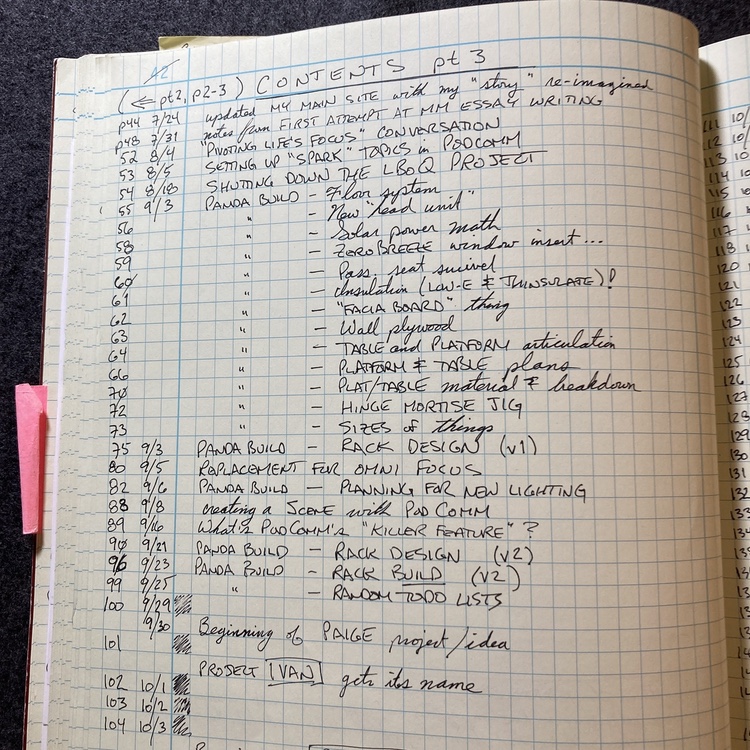
Not ready for the book? Grab the free one-page quick reference—it covers the entire method on a single sheet. Download the PDF →