The new research, recently reported in PLOS ONE, builds on previous Oxford University research showing that elephants call ‘bee-ware’ and run away from the sound of angry bees. Whilst the ‘bee’ and ‘human’ rumbling alarm calls might sound similar to our ears there are important differences at low (infrasonic) frequencies that elephants can hear but humans can’t.
Seems pretty logical to me that elephants would have different sounds for alerting to different threats. The big question, for me, is how much of a threat do they perceive humans to be; Do they actually understand how dangerous humans are/can-be?
Update:
And someone emailed me to point out, that yes, elephants can distinguish a lot about humans; from, Elephants recognise human voices.
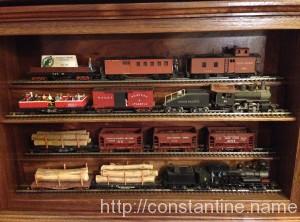
Many people have asked about “the trains”; If you knew my father, then you know that most of the 20×30 upper room in the garage was a model railroad. This is but a tiny glimpse of what he created.
I saved only a few pieces of rolling stock from the train layout before we sold the house. These now have a permanent home in this little display case in my office.
“Model railroad” as in: It was a model. Of a railroad. Not “toy trains” by any stretch of the imagination. He took the rolling stock apart, rebuilt them, detailed them (rust, markings, dull coat so they aren’t shiny plastic, etc), added little people, scratch built buildings, setup little scenes all over the railroad, little guys in rowboats fishing, people on benches, everything lit and remote controlled. You could run multiple trains at the same time, assemble trains in the yard, stage them out of sight… so a train rolls by and then you don’t see it again, and then a different train appears a few minutes later.
Some of the details in the photo: There are “live load” logs on the flat cars — if I get ambitious I could add the tie down cables to the logs. The ore cars (the short brown ones) have properly colored and scale-sized loads… he sifted “speedy dry” (like cat litter, but for cleaning up oil) into different tiny grain sizes, then spread it out and spray painted it, in batches of different colors, then mixed it back together… So it looks like the iron ore that goes in the cars in real life. Then he individually relabeled the 30, (40? I didn’t count) ore cars so they all have unique numbers and markings. Every piece of rolling stock was converted to Kadee couplers — which look and act like real train couplers and can be remotely decoupled with magnets hidden in the track. He would replace the tires (the part that rides on the rails) with metal ones if the kits had inferior plastic ones. He’d add weight to cars to make them move more realistically on the layout. And on and on.
Consider a hypothetical scenario. Suppose you knew that although you yourself would live a long life and die peacefully in your sleep, the earth and all its inhabitants would be destroyed 30 days after your death in a collision with a giant asteroid. How would this knowledge affect you?
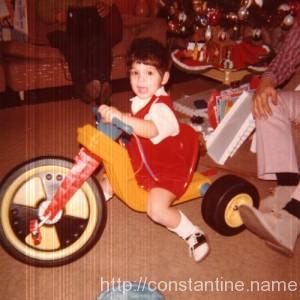
1973 brought some sick new styling for the Hot Cycle line! Christmas morning, age two… man, it was all down hill from there.
I have some sweet memories of that Hot Cycle; Cruisin’ for chicks, hangin’ with my homies, and smashing out four front teeth in a 3 Hot Cycles pile-up into a railroad-tie retaining wall… I blame the Hot Cycle’s brakes, by which I mean: Complete lack of brakes. (Unless you count the ability to run over your own legs as brakes.)
Over time, the ideal of craftsmanship was cordoned off to just the technical arts. Physicians and legislators no longer thought of themselves as craftsmen, but as philosophers and natural scientists who were more concerned with the theoretical as opposed to the practical. Such a shift is a shame, for the principles of craftsmanship truly do apply to every man, whether he makes furniture or crunches numbers. Below we take a look at how these overarching principles of the traditional craftsman can apply to all areas of your life, no matter your profession.
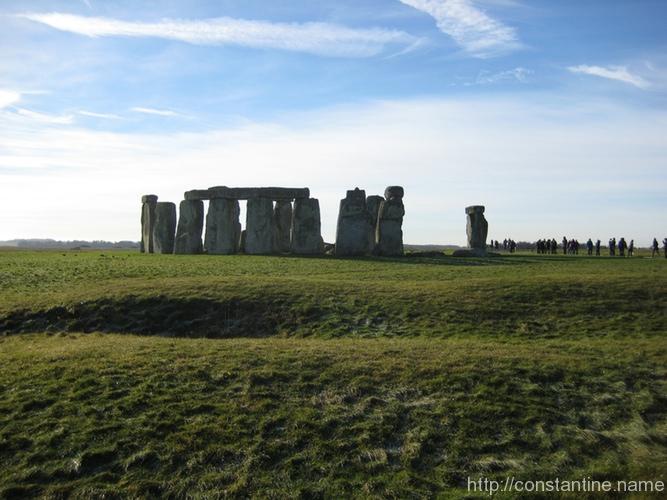
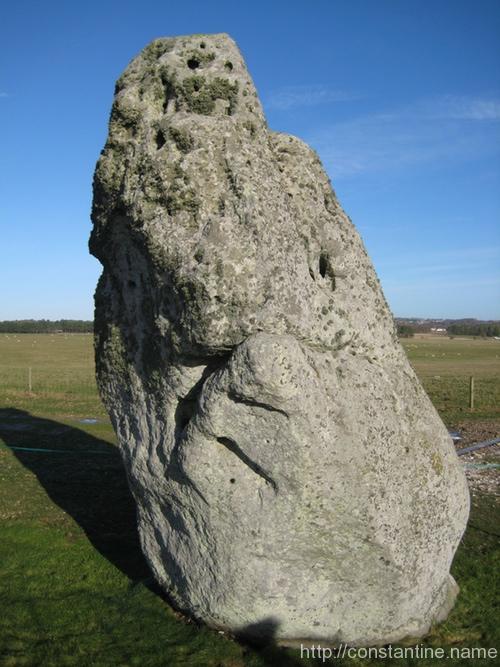
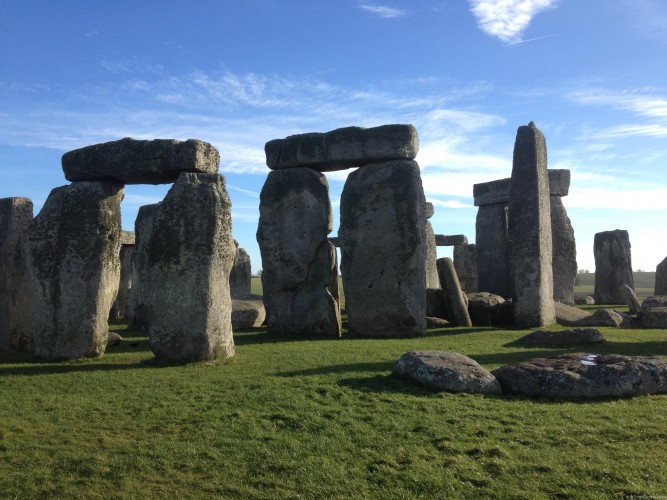
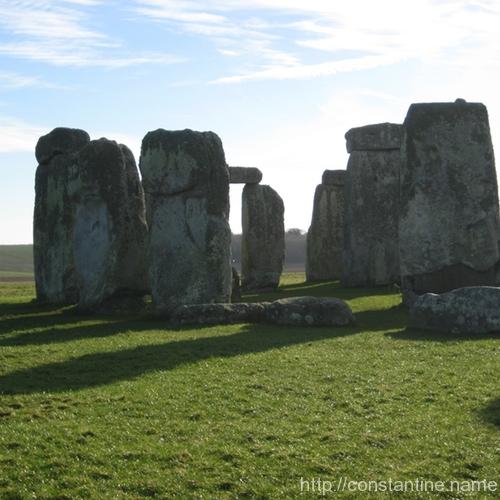
The “heel stone” – as in “heeling over”. Approaching along the original “causeway”, you first arrived at this stone, then went further along to the the henge.
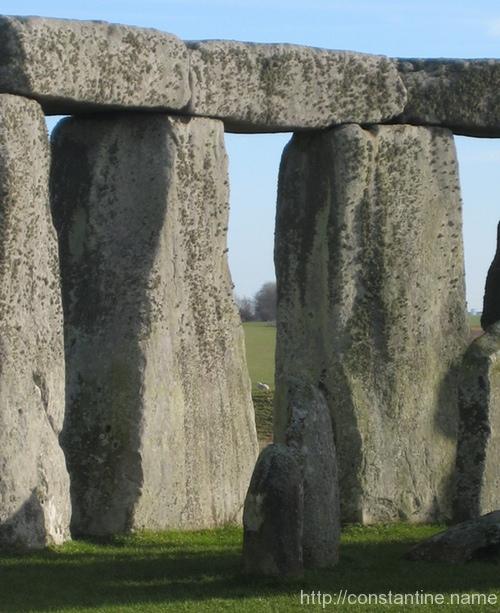
Originally an outer circle, with an inner horseshoe-curve, all with lintel stones.
A human being should be able to change a diaper, plan an invasion, butcher a hog, conn a ship, design a building, write a sonnet, balance accounts, build a wall, set a bone, comfort the dying, take orders, give orders, cooperate, act alone, solve equations, analyze a new problem, pitch manure, program a computer, cook a tasty meal, fight efficiently, die gallantly. Specialization is for insects.
Everything is harder, or rather, I should say everything is more complex. The result is that I learn how to tolerate stress, both mental and physical, and how to adapt to make something work despite the fact that the environment is not cooperating. I deal with it or fail. When I’m out there, it doesn’t matter that I can deadlift 3x my bodyweight on a bar, because that doesn’t change the fact that a rock is completely off-balance and seems to be actively trying to roll onto my toes. And that doesn’t change the fact that I’m picking it up and carrying it up the mountain anyway.